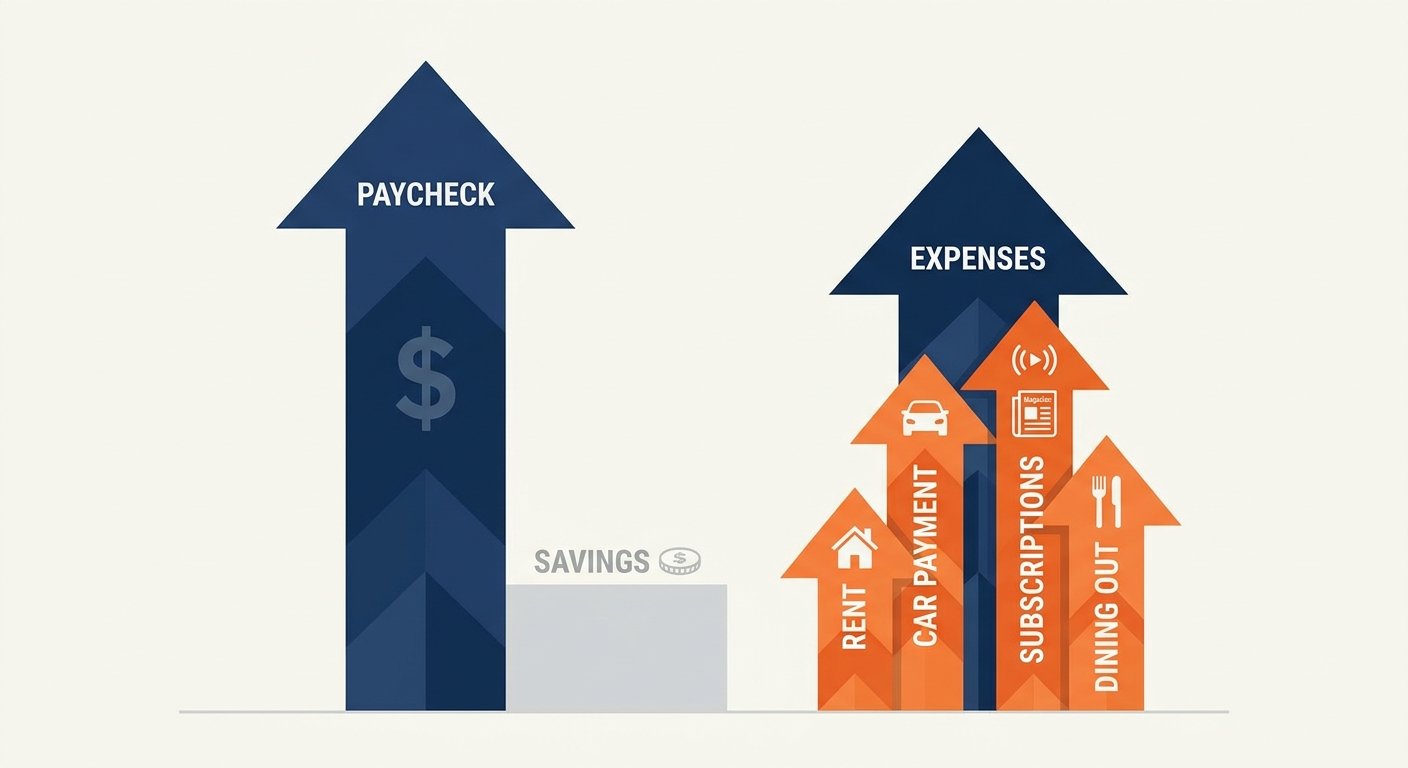

The cost of living in New York City has a way of hitting you the moment you scroll through apartment listings and see the “starting price.” You’re not imagining it – this city makes even a solid paycheck feel small. Maybe you’re weighing a job offer that would mean relocating to Manhattan, Brooklyn, or Queens. Maybe you already live here and you’re wondering why your bank account never seems to catch up to your income. Either way, you’ve probably asked yourself the same question a lot of transplants and lifelong residents ask: what does it actually take to live comfortably here, not just survive?
In this article, we’ll break down what “comfortable” really means in dollar terms, why the cost of living in New York City is so much higher than in most of the country, and what you can actually do about it – whether you’re single, coupled up, or raising a family in the five boroughs.
The Quick Answer: What “Comfortable” Really Costs in NYC
Here’s the short version: the cost of living in New York City is driven almost entirely by housing, and “comfortable” sits well above six figures for a single person. “Comfortable” doesn’t mean luxury – it means your basic needs are covered, you’re not white-knuckling every bill, and you still have room to save and enjoy yourself.
Families need even more, often two to three times a single adult’s number, depending on how many kids are in the mix and which borough they call home. The gap between what New Yorkers typically earn and what “comfortable” actually requires is enormous – which is exactly why so many people here feel like they’re working hard but still falling behind.
7 Things You Need to Know About the Real Cost of Comfort in NYC
- The bar is genuinely the highest in the country. A 2026 analysis from SmartAsset found that a single adult needs roughly $158,954 a year to live comfortably in New York City using a standard budgeting framework – the highest figure of any major U.S. city measured.
- Most New Yorkers earn far less than that. Recent city income data puts the median household income at around $81,228 – roughly half of what the comfort threshold requires for a single adult, let alone a family.
- Housing eats the biggest share of your paycheck. Rent alone, especially in Manhattan, can devour 40-50% of take-home pay for many renters, well above the traditional 30% guideline financial planners recommend.
- Taxes take an extra bite here that other cities don’t have. Between state and city income tax layered on top of federal tax, New Yorkers lose a noticeably bigger slice of gross pay than residents of most other U.S. cities.
- Borough matters enormously. The gap between a “comfortable” salary in Manhattan versus Queens, Brooklyn, or the Bronx can be tens of thousands of dollars a year, simply because rent varies so widely by neighborhood.
- Families need dramatically more. A household with two working adults and two kids can require a combined income well north of $250,000 to hit that same “comfortable” benchmark, once childcare and larger housing enter the picture.
- The math shifts fast with roommates or a partner. Splitting rent, even two ways, can knock tens of thousands off the income you personally need to feel financially steady.
The bottom line: in New York, “comfortable” is a moving target that depends almost entirely on where you live and who’s splitting the bills with you.
Why Housing Is the Real Culprit Behind That Scary Number
If you want to understand why the cost of living in New York City towers over the rest of the country, you don’t need to look much further than rent. Housing costs here aren’t just a little higher than the national average – they’re in an entirely different category, and that single line item warps every other part of a household budget.
Here’s the part most cost-of-living articles skip over: it’s not just that rent is expensive, it’s that rent is inelastic. You can trim your grocery bill, skip vacations, or cook at home more. You can’t easily trim rent, because a smaller apartment in a cheaper neighborhood often means a longer, more exhausting commute – which has its own hidden cost in time and burnout.
That trade-off between money and time is unique to dense cities like New York, and it’s a big reason the “comfortable salary” figure keeps climbing even when other expenses stay flat. When housing alone can consume half a paycheck, everything downstream – savings, retirement contributions, even the ability to handle an unexpected car repair or medical bill – gets squeezed into whatever’s left. Rent isn’t just a monthly bill in NYC – it’s the variable that decides how far every other dollar you earn can stretch.
What This Means for Your Family’s Bottom Line
If you’re currently earning the city’s median household income, the math probably feels personal right about now. Picture a couple, each earning close to the city average, trying to raise two kids in a two-bedroom apartment. Between rent, childcare, groceries, and the occasional emergency, there’s often little left over for a retirement account, let alone a rainy-day fund.
This isn’t a hypothetical – it’s the daily reality for a huge share of working New York families, and it’s why so many households here feel financially stretched even with two incomes coming in. For your family, this number matters because it reframes what “doing well” looks like. Earning more than the national average doesn’t mean much if the cost of living in New York City has moved the goalposts even further. Understanding the real gap between typical income and true comfort helps you set realistic goals, negotiate salary with clearer eyes, and stop measuring your progress against a national yardstick that simply doesn’t apply here.
How to Close the Gap: Action Steps That Actually Help
You can’t single-handedly change NYC rent prices, but you can control how you respond to them. Here’s where to start:
- Run your own numbers by borough, not just citywide averages. A “comfortable” income in Astoria or Sunnyside looks very different from one in Tribeca – pick your target neighborhoods first, then budget backward.
- Treat the 50/30/20 rule as a starting point, not gospel. In NYC, many people flex it to 60/25/15 for housing-heavy budgets, then rebuild savings as income grows.
- Split housing costs strategically. A roommate, a partner, or a smaller unit in a well-connected neighborhood can shrink your personal “comfortable salary” number dramatically.
- Negotiate salary using cost-of-living data, not guesswork. Bring real numbers to the table when discussing offers or raises — it strengthens your case more than a general “cost of living is high here.”
- Automate savings before lifestyle creep sets in. Even a modest 10% automatic transfer the day you’re paid protects your future self from a city that will happily absorb every spare dollar.
- Reassess annually. Rent, taxes, and your own life circumstances shift every year – what counted as “comfortable” two years ago may not hold up today.
What the Data Tells Us About Where Things Are Headed
Recent housing market reporting paints a clear picture: rent pressure in New York isn’t easing up. A January 2026 market report from Corcoran found that median Manhattan rent climbed to nearly $4,950 a month, continuing a run of year-over-year increases that has pushed one-bedroom pricing close to record highs.
That kind of sustained upward pressure on housing costs is the single biggest reason the “comfortable salary” threshold keeps rising faster than wages in most other parts of the country. When the largest line item in a household budget keeps climbing while incomes grow more slowly, the gap between what people earn and what they’d need to feel truly comfortable only widens. It’s a trend worth watching closely if you’re planning a move, a lease renewal, or a career decision tied to this city in the near future.
Final Thoughts
The cost of living in New York City costs more than almost anywhere else in the country, and the gap between typical income and that comfort threshold is wider here than in most major U.S. cities. Housing is the main driver, but taxes, borough choice, and household size all shape your personal number in a big way.
The good news is that “comfortable” isn’t a fixed target – it shifts based on decisions you actually have some control over, from where you live to how you split costs with others. Before your next lease renewal or salary negotiation, take twenty minutes to run your own numbers against your actual neighborhood and lifestyle. It’s a small step, but it’s the one that turns a scary citywide statistic into a plan you can actually work with.