
NYC rent 2026 numbers are out, and they explain a lot about why apartment-hunting in New York has felt so brutal this summer. Ask anyone who’s gone through it lately and you’ll probably get a tired laugh before an actual answer. The citywide median just hit $3,707 – the highest number on record since anyone started tracking it back in 2019. That’s not a headline renters needed to read to believe. Most of them already knew, the hard way, scrolling through listings that kept getting pricier by the week. What’s useful here isn’t the shock value of a big number. It’s understanding exactly where that pressure is landing, so you’re not blindsided at your next renewal or your first lease signing.
So How Big Is the Jump, Really?
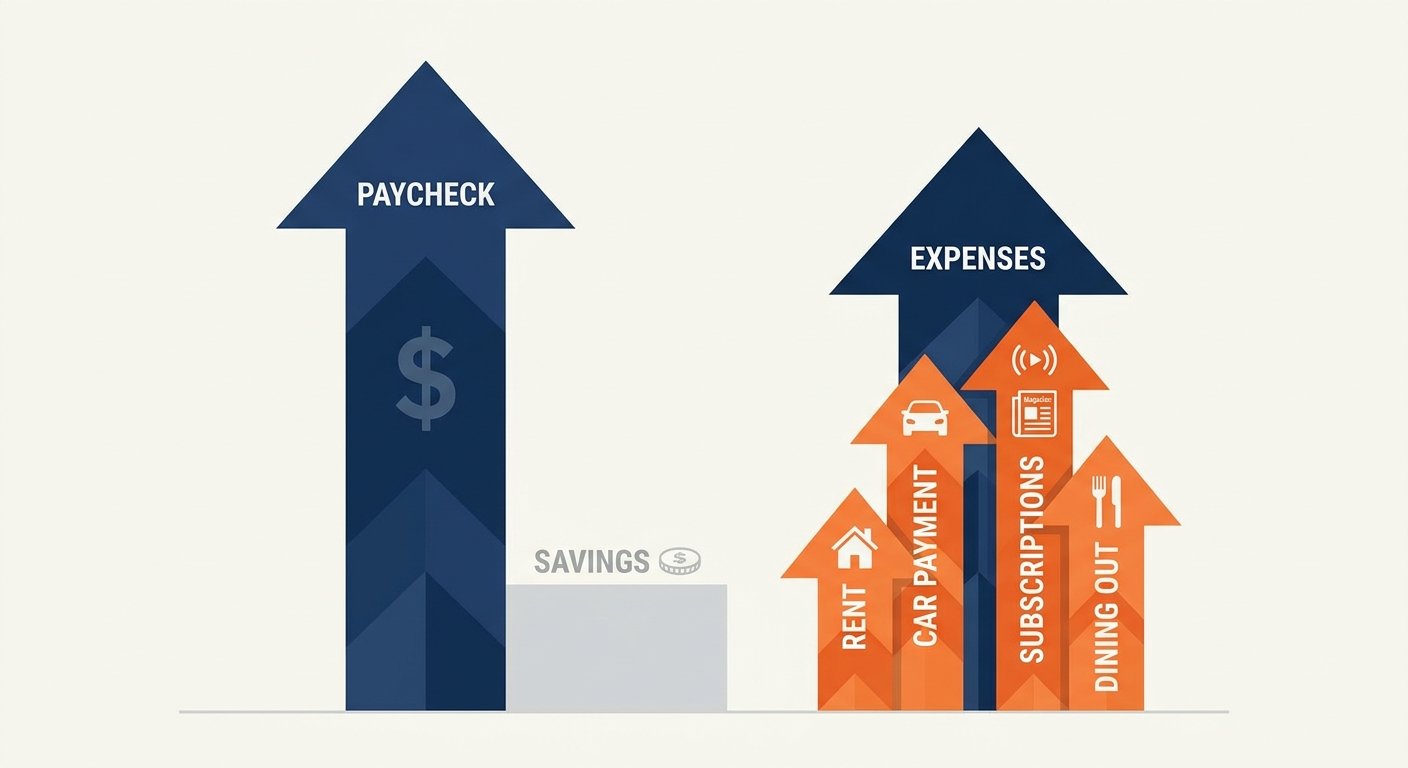
$164 more than last year. On paper, that barely sounds like news. But turn it into a percentage and you get 4.6% in a single year, which is running well ahead of what most paychecks in this city have managed to keep up with. Pull back even further and it gets worse: New York rents now sit roughly 30.5% above where they were before the pandemic hit. The national number over that same stretch? About 16.4%. So this isn’t New York being expensive in the way it’s always been expensive. It’s New York pulling further away from everywhere else, and doing it fast.
It’s also not just a Manhattan story, even though Manhattan usually gets the headlines. Every borough moved up this quarter. Manhattan led with a 9.0% jump to $5,117. Brooklyn came in at $4,054, up 5.9%. Queens landed at $3,561, a 5.6% increase. Even the Bronx – the borough that’s usually been the exception, the one place renters could count on for a little breathing room – crept up 0.9% to $3,171. When four boroughs all move the same direction in the same quarter, that’s not a coincidence tied to one hot ZIP code. Something structural is going on underneath it.
Corcoran’s separate numbers point the same way. Manhattan rents there hit $5,295 in June, with listings down 16% from a year earlier – fewer apartments, same or bigger pool of renters chasing them, prices doing what prices do in that situation. If you want the full breakdown by borough, the original Realtor.com Q2 2026 NYC Rental Report is where these NYC rent 2026 figures come from.
The Real Fight Is Over Small Apartments
Here’s a detail that’s easy to miss if you just skim the headline number. Studios and one-bedrooms – anything in the zero-to-two-bedroom bracket – jumped 7.3% to a median of $3,544. Meanwhile, bigger units, three bedrooms or more, actually dropped a little, down 0.6% to $4,886.
Think about what that split is telling you. It’s not families with more space driving prices up. It’s the opposite end of the market – young professionals, roommates splitting rent, people who just moved to the city – all competing for a shrinking pool of small, affordable units. When people can’t justify paying more to move into something bigger, they stay where they are, or they find a roommate instead of getting their own place. Either way, more demand piles onto the smaller apartments, and prices there climb faster than anywhere else.
A studio by itself now runs $3,116 as a citywide median. Stack that against a typical starting salary and the math stops being abstract pretty quickly.
What This Actually Costs a New Grad
Say you just graduated and moved to New York for your first real job. If you studied computer science, you might be looking at something like $98,000, once you account for the city’s wage premium. Business grad? Closer to $83,000. Neither of those is a small number nationally. Neither one goes very far here.
A studio alone eats up 38.2% of that computer science salary. For the business grad, it’s 45.2%. Both numbers blow well past the old 30%-of-income rule that used to define “affordable.” Now compare that to the rest of the country – across the fifty biggest U.S. metro areas, that same studio-to-salary math works out to 20.9% and 24.8%. Roughly half. New York’s youngest renters are shouldering nearly double the housing burden that their peers deal with almost anywhere else in America. And it’s not only new grads feeling this. Swap in a hospitality worker, a retail associate, anyone starting fresh in a mid-career job – the numbers barely budge.
What This Means If You’re Renting Right Now
If your landlord comes back with a steep renewal number this year, don’t assume it’s just opportunism. Supply really is tight across the city right now, and that gives landlords genuine leverage – not unlimited leverage, but real leverage. That context matters going into a negotiation. You’re not pushing back against a number pulled out of thin air. You’re negotiating inside a market that’s genuinely squeezed.
If you’re apartment hunting fresh, expect the fiercest competition in smaller units specifically. A little flexibility – a different neighborhood, maybe even a different borough – can go further this year than it has in a while. A few things worth doing before you sign:
Work out your actual rent-to-income ratio instead of trusting whatever the listing implies you can afford. Anything past 35-40% of take-home pay is worth a hard second look – what does that leave for savings, for emergencies, for the stuff that isn’t rent? Ask who’s covering the broker fee before you fall for a listing. The FARE Act shifted a lot of that cost onto landlords, but enforcement and practice are still inconsistent across the city, so don’t assume.
Look outside the neighborhoods everyone else is fighting over. Sometimes a slightly longer commute buys you a few hundred dollars a month back in your pocket. Watch for concessions – a free month, waived fees. Even in a tight market, units that have sat listed for a while still come with incentives to move them. And build in a cushion for next year. If this quarter is any indication, betting on flat rent at your next renewal is probably not realistic.
Where Does This Go From Here?
Nobody knows for certain whether this pace holds for the rest of 2026. Rent in New York tends to move in cycles shaped by job growth, interest rates, and how much new housing actually gets built and hits the market. If more supply comes online in the next few quarters, some of the pressure on smaller units could ease off. If demand keeps outrunning construction – which has been the pattern for a while now – this trend probably sticks around at least through the next round of renewals.
What does seem fairly settled is that the gap between New York and the rest of the country isn’t closing anytime soon. If you’re planning a move here, or you’re already in a lease and dreading that renewal letter, it’s worth treating your housing budget as something you revisit every year rather than a number you set once and forget about.
Bottom Line
These NYC rent 2026 figures mark the highest reading the city has posted since anyone started keeping score, and the pressure is showing up almost everywhere – every borough, most apartment sizes – even if it’s not landing evenly. Studios and one-bedrooms are absorbing the sharpest hit, which happens to be exactly where new arrivals and entry-level renters are concentrated. Whether you’re signing your very first New York lease or gearing up for a renewal fight, going in with a clear sense of your real rent-to-income ratio, realistic expectations for next year’s increase, and a willingness to look past the obvious neighborhoods puts you ahead of most renters this year.
For more on managing housing and living costs in New York City, see Sultan News’ guides on the true cost of living in New York City, how much salary it takes to live alone in a major U.S. city, and practical ways to cut everyday expenses without major lifestyle changes.