
Pakistani politicians corruption has reached a crisis point in 2026. A new investigation reveals how 10 lawmakers saw their wealth explode while millions of ordinary Pakistanis struggle with inflation, poverty, and IMF‑driven austerity.
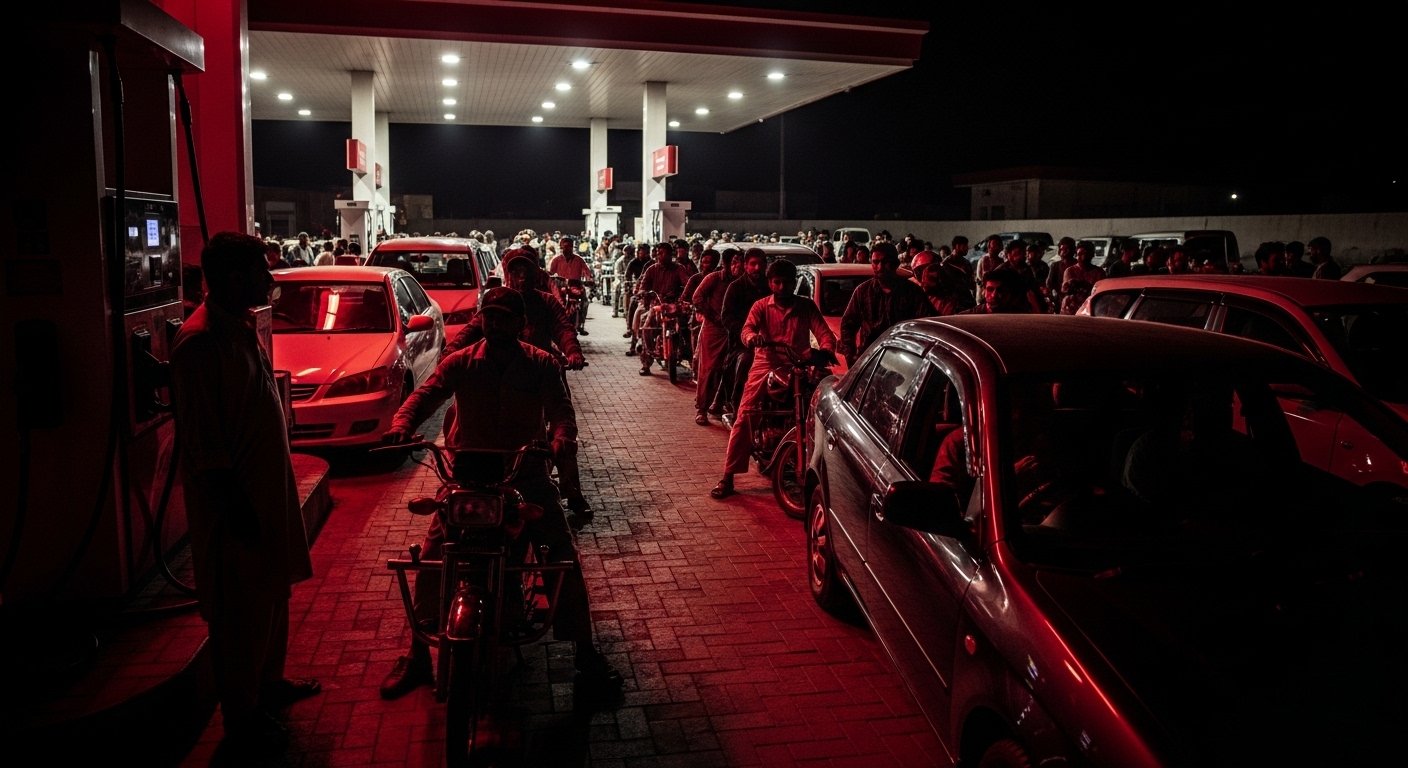
Pakistan is facing one of its worst economic disasters in history. Inflation has shattered records, the rupee has lost more than half its value in a few years, and everyday families are skipping meals, pulling children out of school, and choosing between paying rent or buying medicine. The middle class – once the backbone of Pakistani society – is quietly disappearing.
Yet for a small group of politicians at the top, these years have been extraordinarily profitable. While millions struggle, a select political elite has seen their wealth multiply by hundreds of millions, even billions of rupees, in a single term in office.
A Sultan News investigation – using publicly available asset declarations, property records, corporate‑registry data, and leaked financial documents — has identified 10 politicians whose declared wealth increased at a pace that cannot be explained by their official salaries.
A Systemic Corruption Problem
Pakistan’s corruption is not just a few “bad apples.” It is systemic.
- Transparency International’s 2025 Corruption Perceptions Index ranks Pakistan 133rd out of 180 countries, placing it in the bottom third of the most corrupt nations.
- Global Financial Integrity estimates that Pakistan loses $8–12 billion per year to illicit financial flows, money laundering, and embezzlement.
That money could:
- Provide free, high‑quality education for every child in Pakistan,
- Build world‑class hospitals in every major city,
- Or end the country’s dependence on IMF bailouts.
Instead, much of it ends up in Dubai apartments, London townhouses, Swiss bank accounts, and offshore shell companies.
Accountability institutions like the National Accountability Bureau (NAB) have become political tools -used to target opponents and protect allies. Cases drag for years, convictions are rare, and stolen assets are hardly ever recovered.
The Federal Minister Who Grew Rich by 8,000%
When this senior federal minister entered office, he declared about Rs. 12 million in total assets – a family home, a used car, and small savings. That was modest for a politician with his experience.
Four years later, his declared assets ballooned to Rs. 980 million, an increase of over 8,000% in one term.
New assets included:
- A farmhouse on the outskirts of Lahore,
- Two commercial plazas in Islamabad,
- A luxury apartment in Karachi,
- Tens of millions in bank balances,
- A new fleet of vehicles registered in his name and his family’s names.
His explanation: “agricultural income and family business growth.”
Independent financial experts who analyzed his declaration said the agricultural land he owns could not generate enough income to justify this jump. One expert told Sultan News, “The numbers simply do not add up.”
No formal investigation has been launched.
The Senator With Five Dubai Properties
Dubai has become a favorite offshore haven for Pakistan’s political elite – no income tax, strong financial secrecy, and easy real‑estate purchases.
This senior senator owns at least five confirmed properties in Dubai, matched by cross‑checking Pakistani asset declarations with Dubai Land Registry records.
The combined value of these properties is estimated at more than $4 million. The senator’s official political income over his career cannot plausibly explain this level of foreign ownership.
When contacted by Sultan News, his office issued a brief statement claiming the properties were “legally acquired through legitimate business activities” and that taxes had been paid. No supporting details were provided.
Pakistan’s Federal Board of Revenue has not publicly announced any investigation into this case.
The Chief Minister Who Gained Rs. 650 Million in One Term
Provincial government is where real money flows – infrastructure contracts, land allotments, development funds, and regulatory approvals all pass through the chief minister’s office.
This former chief minister entered office with about Rs. 8 million in declared assets. When he left five years later, his wealth stood at Rs. 650 million – a Rs. 642 million increase in one term.
Assets added included:
- Thousands of acres of agricultural land,
- Commercial real estate in three major cities,
- Large investments in family businesses.
Former provincial officials, speaking anonymously, told Sultan News that development contracts were routinely awarded to companies secretly linked to the chief minister’s family. One said, “Everyone knew. It was not even hidden carefully.”
No formal charges have been filed.
The Finance Committee Member and His Sons’ Offshore Companies
This member of the National Assembly’s Standing Committee on Finance had direct influence over banking regulations, tax policy, and foreign exchange controls.
During his tenure, his two adult sons registered four offshore companies in British Virgin Islands, Cayman Islands, and Hong Kong – jurisdictions known for financial secrecy.
The timing of these registrations matched closely with several key regulatory decisions that created advantages for businesses using exactly this kind of offshore structure.
When asked about a conflict of interest, the politician declined to comment. His sons’ companies remain active.
The Defense‑Contractor Politician
This politician’s family business received Rs. 2.1 billion in government contracts while he held a senior ministry position. The contracts covered defense‑related and infrastructure projects and were split into smaller packages to avoid more intense scrutiny.
Procurement law in Pakistan requires competitive bidding for contracts above certain thresholds and conflict‑of‑interest disclosure. There is no record of recusal in this case.
Over time, the firm evolved from a regional contractor into a major national player, and the politician’s personal wealth declaration shows assets that closely track the firm’s growth.
Independent legal experts who reviewed the contracts called the pattern “deeply concerning.”
The Infrastructure Minister’s Wife’s Highway Deal
Pakistan’s infrastructure sector is one of the most profitable arenas for corruption, with billions of rupees flowing through road construction, bridge projects, and urban development.
This minister’s wife owns a majority stake in a construction company. During his tenure, that company was awarded a Rs. 800 million highway rehabilitation contract.
Documents reviewed by Sultan News show:
- A shortened bidding timeline,
- Evaluation criteria seemingly tailored to the winning firm’s capabilities.
Three competing bidders claimed the process was unfair, and one filed a formal complaint with the Public Procurement Regulatory Authority. The complaint has remained pending for over a year with no resolution.
The minister denies any wrongdoing.
The Tax Chairman With No Foreign Assets (But Real Money Abroad)
This tax‑enforcement chairman declared zero foreign assets year after year — no overseas bank accounts, no foreign property, no offshore investments.
However, leaked law‑enforcement‑linked financial intelligence revealed transactions involving his family network that far exceed his declared income.
Independent legal experts who reviewed the material stated that the discrepancy demands urgent investigation.
No such investigation has been announced by Pakistani authorities.
The Energy Policy Advisor With a 300% Wealth Surge
Pakistan’s energy sector is drowning in circular debt, record‑high electricity bills, and reliance on imported fuel. Yet a small group of politically connected individuals has grown rich from the crisis.
This energy policy advisor saw his family’s wealth increase by over 300% in 18 months, coinciding with major power‑purchase agreements, fuel‑import deals, and regulatory changes.
Family investments expanded through domestic companies. The link between his policy decisions and their financial gains is not strong enough to prove a crime under current law, but investigative experts call it a clear red‑flag pattern that should trigger a probe.
No official probe has been launched.
Five London Properties on a Government Salary
London’s property market continues to attract capital from Pakistan’s political and business elite.
This politician owns five properties in Greater London, valued at over £3.5 million. His total declared income over his public‑service career – even at the most generous estimate – barely reaches £200,000.
His representatives claim the properties came from “inheritance and family savings accumulated over generations.”
UK‑based property‑law experts who examined the purchase dates and amounts called this explanation “implausible.”
The Rs. 450 Million Shell‑Account Network
This final case is the most financially complex – there is no sudden spike in declared assets or visible overseas real estate. The money moved quietly.
Investigators analyzing suspicious‑transaction reports from Pakistani banks found a network of accounts held by the politician’s family and close associates. Over four years, roughly Rs. 450 million passed through these accounts.
The structure followed classic money‑laundering techniques:
- Amounts kept below reporting thresholds,
- Frequent transfers between accounts,
- Routing through multiple shell entities.
Some funds moved offshore, while others were reinvested in domestic real estate.
Pakistan’s Financial Monitoring Unit, which receives these reports, has not publicly announced any action in this matter.
What Happens Next? Probably Nothing
If history is any guide, very little will change.
Pakistan has had high‑profile corruption cases. Some politicians were convicted, a few served time in prison, but systemic accountability has never taken root.
Reasons include:
- The judiciary under political pressure,
- Accountability bodies like NAB captured by the powerful,
- Journalists and whistleblowers facing threats, harassment, and legal action,
- Voters, exhausted by decades of broken promises, often no longer believe accountability is possible.
That cynicism is exactly what keeps the system alive.
Human Cost of the Theft
Every rupee stolen from the treasury means real suffering for ordinary Pakistanis.
- A child in rural Sindh learning in a roofless school with no teacher.
- A patient in a government hospital in Balochistan denied basic medication due to missing budgets.
- A young doctor or engineer leaving for Canada, the UK, or the Gulf because there is no future at home – not because Pakistan lacks talent, but because its resources were systematically looted.
Pakistan is not a poor country. It is a country made poor by the choices of its rulers.
The 10 cases in this report are not rare exceptions. They are symptoms of a much larger disease.
Sultan News Will Keep Investigating
This is the first in a series of investigative reports that Sultan News will publish on corruption within Pakistan’s political and business elite.
If you have information, documents, or evidence related to politicians, bureaucrats, or business owners committing corruption, contact us securely. Your identity will be protected.
Share this story. Pakistan deserves accountability — and Pakistan deserves better.