Pakistan economy crisis 2026 is not just another downturn – it is a systemic collapse built on years of mismanagement, external shocks, and political denial. In early 2026, the country’s fragile situation exploded into a full‑scale emergency: sky‑high petrol prices, inflation returning to dangerous levels, and the government scrambling to impose austerity measures while insisting the economy is “stabilizing.”
Ordinary Pakistanis – daily wage workers, small business owners, farmers, students, parents preparing for Eid – are paying the price. The government’s narrative of “recovery” clashes with the reality on the ground, where public transport fares have doubled, food prices are rising, and millions can no longer afford basic necessities. This is not just an economic crisis; it is a crisis of trust between the state and its citizens.
The Fuel Shock That Changed Everything
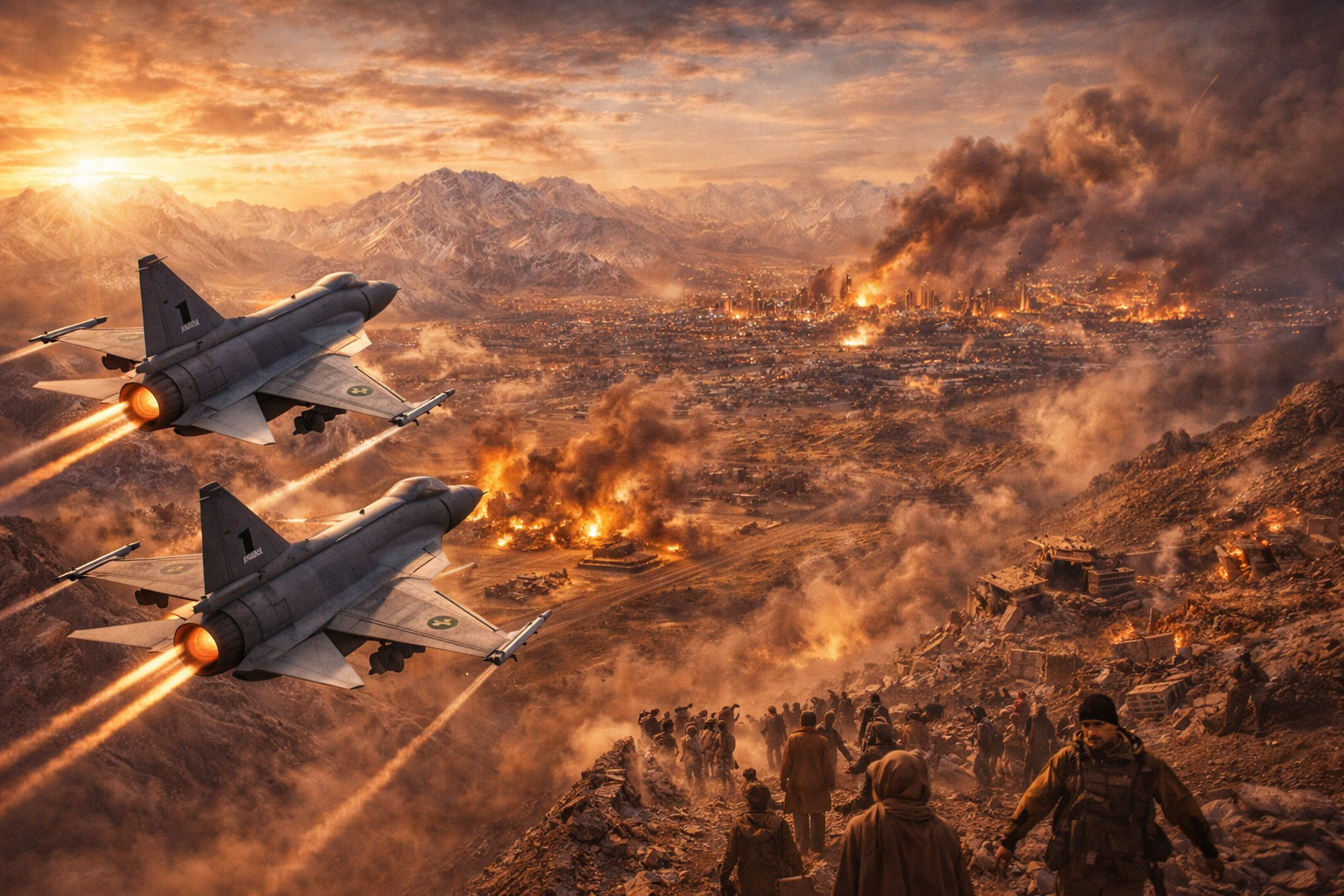
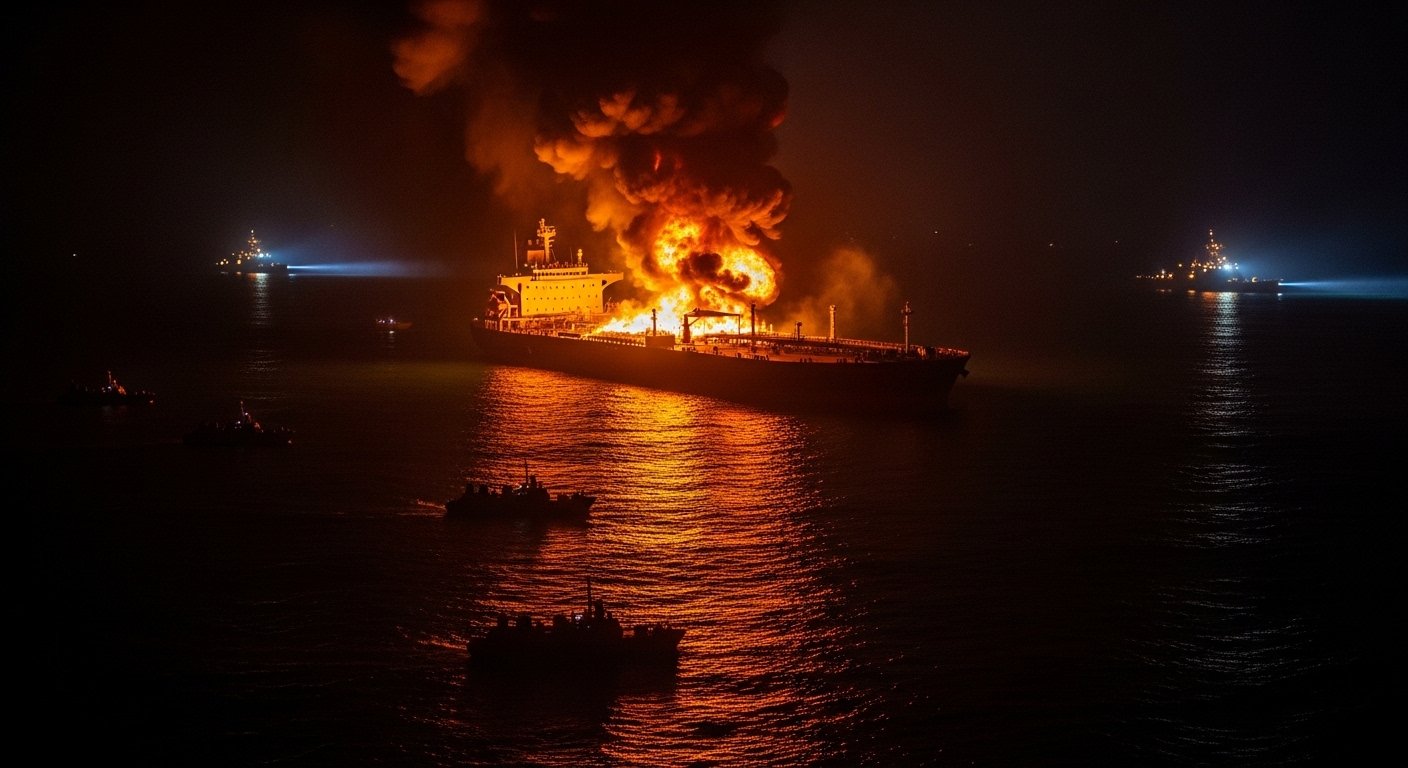
The crisis dramatically accelerated in March 2026, when the US‑Iran‑Israel conflict in the Middle East disrupted oil supplies passing through the Strait of Hormuz, one of the world’s most critical energy chokepoints. For most countries, this was a crisis; for Pakistan, it was a perfect storm.
Pakistan imports over 85% of its crude oil from Saudi Arabia, the UAE, and other Gulf states. Nearly every tanker carrying this fuel must pass through the Strait of Hormuz. When the route came under threat, Pakistan had no strategic fuel reserves, no diversified energy infrastructure, and no backup supply chains. The result was an instant, brutal impact on the domestic economy.
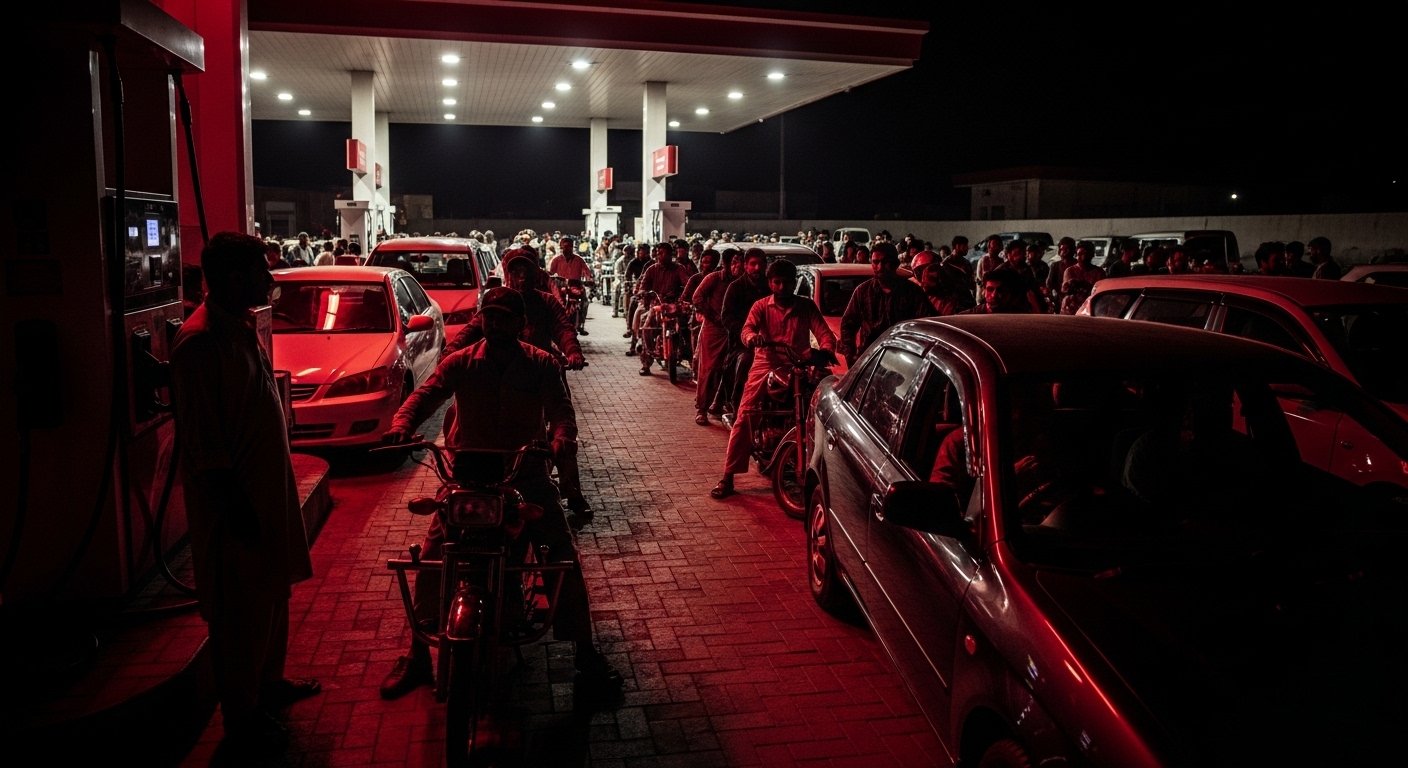
Petrol prices in Pakistan jumped by Rs. 55 per liter in one week, pushing the cost of petrol to about $1.15 per liter and diesel to $1.20 per liter – a 20% increase in seven days. For a country where millions travel on motorcycles and rickshaws for work, this was not a “price hike”; it was a financial emergency.
Government Austerity: Pain for the People, Privilege for the Elite
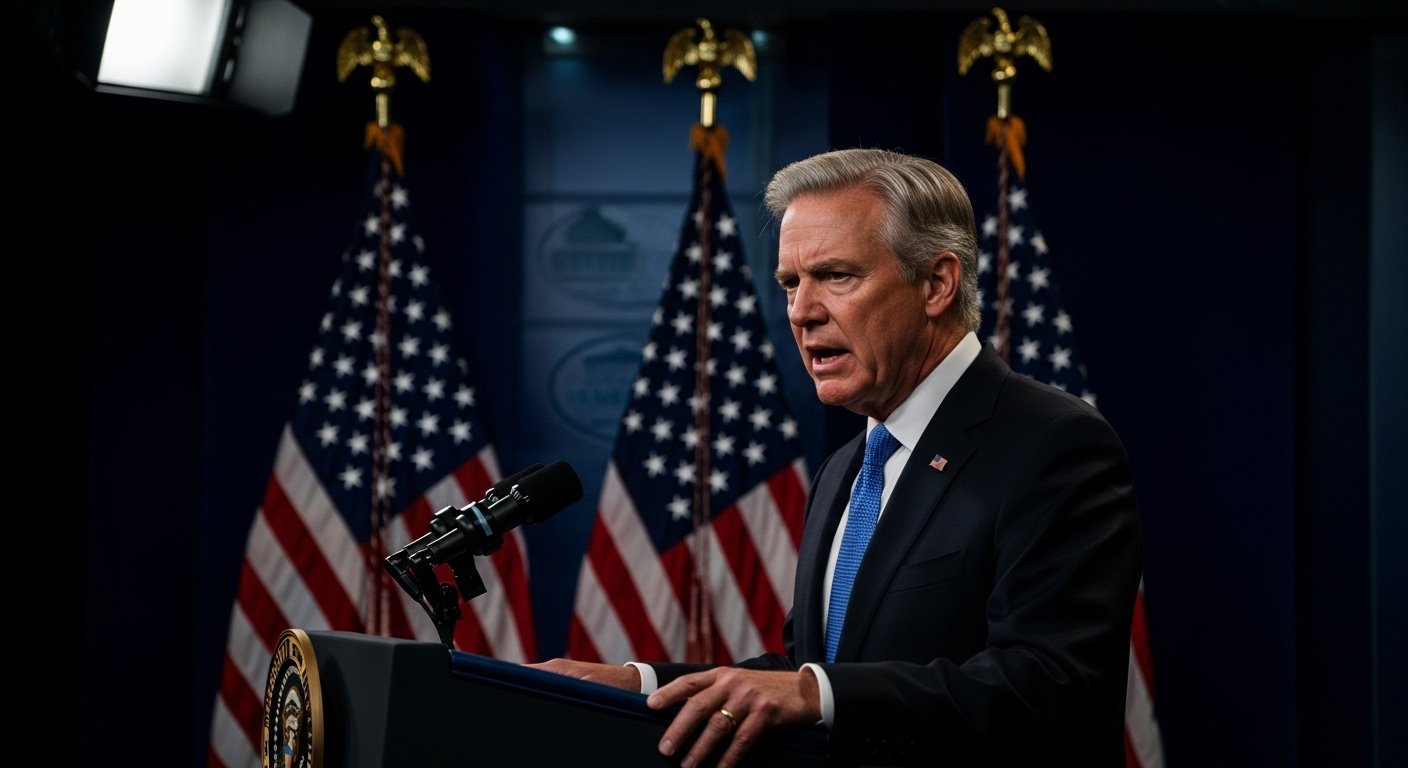
Prime Minister Shehbaz Sharif appeared on national television to announce emergency austerity measures, including a four‑day workweek for government employees, two‑week closure of schools, and a ban on foreign travel for ministers and officials, except for “essential” purposes in economy class. The government also ordered all meetings moved online and limited public gatherings – capping weddings at 200 guests and one main dish.
On the surface, these steps sounded dramatic. In reality, the burden fell entirely on ordinary citizens. Workers had to walk longer distances to save petrol money, small businesses saw operating costs soar, and poor families delayed medical care and school supplies to survive. The contrast between politicians flying economy class and people queuing for fuel was stark – and deeply symbolic of the widening gap between the rulers and the ruled.
The Hidden Numbers: What the Government Won’t Tell You
Beneath the official narrative of “stabilization” and “recovery,” the real economic picture in 2026 is alarming.
- Inflation in Pakistan rose from around 7% earlier in the year to over 10% in a matter of months. If global oil prices reach $120 per barrel, economists warn inflation could jump to 30% or more.
- Pakistan’s current account deficit, already at $2 billion, is projected to expand to $6–7 billion in the next fiscal year. This means the country is importing far more than it is exporting and is forced to borrow to cover the gap.
- Petroleum imports could increase by 25–30% as global oil prices rise. Combined with higher shipping and insurance costs, this could add $12–14 billion in extra external payments over the next year – a crushing blow for a country already on the edge of default.
These numbers show that Pakistan’s economy is surviving on borrowed time and borrowed money, not genuine recovery.
The IMF Lifeline: Survival, Not Growth
The International Monetary Fund (IMF) has become Pakistan’s permanent economic lifeline in 2026. In December 2025, the IMF approved a $7 billion program, unlocking about $1.2 billion in immediate funding. This is not a “bailout”; it is survival funding.
Pakistan has stabilized by squeezing itself – cutting public spending, raising taxes, and imposing harsh austerity on the population. Public debt has climbed to 70–80% of GDP, leaving little room for investment in infrastructure, education, or healthcare. The economy is now one adverse shock away from another crisis, and that shock arrived in March 2026 when the Middle East conflict disrupted oil supplies.
Experts warn that without structural reforms, each new global shock will hit Pakistan harder than the last. The IMF cannot build factories, power plants, or export engines – it can only buy time for political leaders who consistently fail to make tough but necessary decisions.
The Broken Production System
Behind the fuel and IMF headlines lies a deeper, longer‑term problem: Pakistan’s production system is collapsing. The country’s industrial sector as a share of GDP has declined from 20.9% in 2014 to 19.5% in 2021 after an economic rebasing exercise. Agriculture, once a backbone of the economy, is now so weak that Pakistan imports wheat, rice, and other staple foods instead of growing them.
This is paradoxical for a country with fertile land, young labor, and billions in natural resources. The state failed to build a supportive ecosystem for industries and farmers, leading to stagnant or declining output. Weak production capacity means low exports and high dependence on imports, which drain foreign exchange reserves and fuel debt.
The Multinational Exodus
The erosion of Pakistan’s economy is most visible in the quiet exodus of multinational corporations. In October 2025, Procter & Gamble, one of the world’s largest consumer goods companies, announced it would shut down manufacturing and commercial operations in Pakistan and switch to a distributor‑led model.
P&G’s decision was not sudden. The company had watched rising energy costs, regulatory uncertainty, currency instability, and declining consumer purchasing power for years. Across sectors – food and beverage, pharmaceuticals, financial services, and technology – international companies are reducing investment, cutting operations, or exiting Pakistan entirely.
Each departure means jobs lost, tax revenue reduced, and technology transfer halted. The government blames “global conditions,” but analysts argue that domestic policy failures are the true cause.
The Human Cost of the Crisis
The human cost of the Pakistan economy crisis 2026 is devastating. The national poverty rate has surged from 21.9% in 2018–19 to 28.8% in 2024–25, meaning nearly 29% of Pakistanis now live in poverty. This is not a statistic; it represents tens of millions of people facing hunger, joblessness, and hopelessness.
Workers who once shared rickshaw fares now walk miles to work. Families chose medicine over groceries. Students dropped out of education to support their parents. The fuel crisis hit just before Eid‑ul‑Fitr, when families typically spend on clothes, food, and charity. Instead, the holiday brought anxiety and impossible choices – a stark reflection of economic mismanagement.
The Road Forward: Why It Will Not Be Fixed
The policy path for fixing Pakistan’s economy is clear and well‑known. Experts agree on what is needed:
- End the circular debt crisis that is bankrupting the energy sector.
- Invest heavily in renewable energy to reduce dependence on imported oil.
- Boost industrial and agricultural productivity with modern technology and infrastructure.
- Diversify exports beyond a few textile‑driven sectors.
Yet, successive governments have chosen short‑term fixes over long‑term transformation. The problem is not a lack of knowledge; it is a lack of political will. Until the ruling elite is willing to make genuine, painful reforms – cutting subsidies, ending corruption, and prioritizing the public good over personal enrichment – Pakistan will remain trapped in a cycle of temporary stabilization and permanent crisis.
Conclusion: Mismanagement, Not Misfortune
The Pakistani government wants citizens to believe the 2026 economic crisis is caused by a war in the Middle East that “nobody could predict.” Partially true, but mostly false. The timing of the US‑Iran‑Israel conflict was unpredictable, but Pakistan’s total dependence on imported oil through a single chokepoint was a known, long‑term vulnerability.
Experts have warned for decades that without energy diversification, strategic reserves, and structural reforms, every global shock would hit Pakistan harder than any other nation. The government ignored these warnings. Now, the country is dependent on bailouts, austerity, and IMF programs, learning how to survive, not grow.
For ordinary Pakistanis, the lesson is bitter but real: economic stabilization means survival for the elite, not prosperity for the masses. Until that changes, the cycle of collapse will continue.