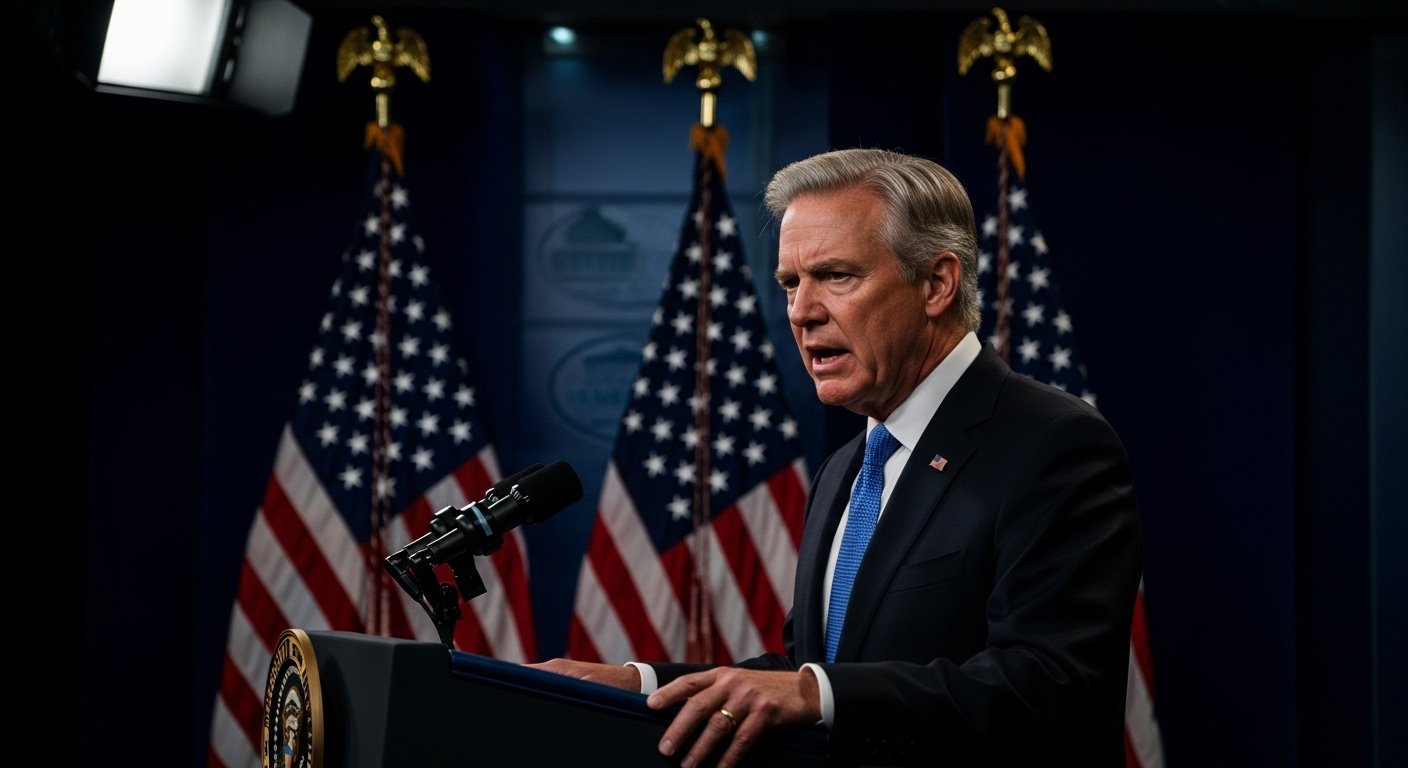
Trump Iran war speech 2026 will likely be remembered as one of the most controversial presidential addresses in modern American history. On Wednesday night, President Donald Trump delivered his first formal televised address since the launch of Operation Epic Fury, the joint U.S.–Israel military campaign against Iran that began on February 28, 2026.
The roughly 20‑minute broadcast was meant to clarify the war’s goals, explain its costs, and reassure a divided America. Instead, it left many viewers more confused than confident. By the time the speech ended, oil prices had climbed above $100 per barrel, gas in the U.S. had crossed $4 per gallon, and the public was left asking: Is this war ending – or just entering its most dangerous phase?
Trump’s address did not deliver a clear roadmap, a timeline, or a coherent explanation of what “victory” looks like. It offered slogans and promises instead of hard answers – the kind of messaging that fuels headlines, but not clarity.
Operation Epic Fury – 33 Days of Escalation
To understand the speech, you must understand the war it was trying to justify. Operation Epic Fury began on February 28, 2026, when the United States and Israel launched coordinated strikes on Iranian military and leadership targets. From the start, this was not a limited operation; it directly targeted command centers, missile facilities, and key infrastructure.
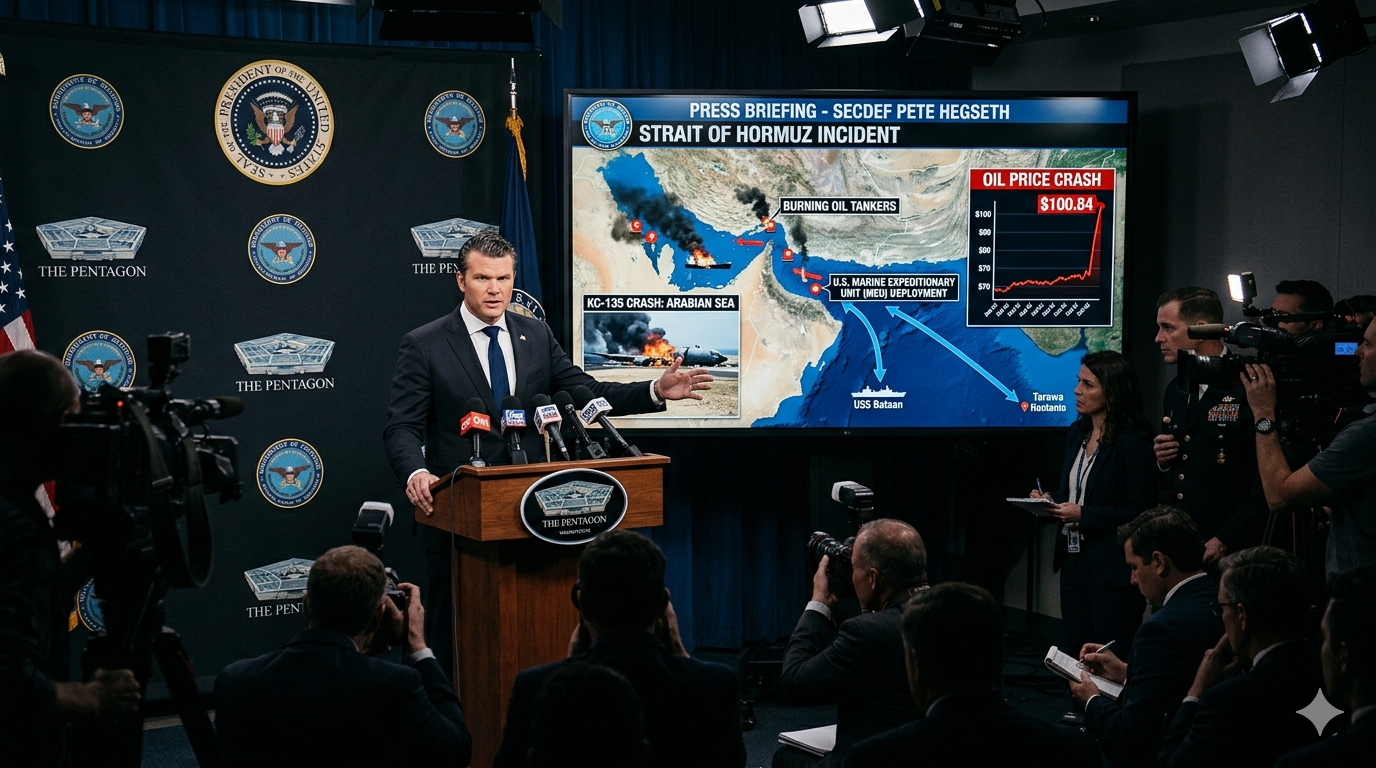
In the 33 days since then, the conflict has taken a heavy toll. Reports from U.S. military and intelligence sources indicate that Iran’s leadership structure has been severely damaged, with multiple senior officials reportedly killed. The Strait of Hormuz, through which nearly one‑fifth of the world’s oil flows, has been effectively shut down, disrupting global shipping and sending prices soaring.
So far, 13 American servicemembers have been killed, and more U.S. troops remain in harm’s way. The economic impact is also severe: U.S. gasoline prices have climbed above $4.06 per gallon, and many developing countries are facing soaring inflation and energy shortages. The speech was supposed to explain this reality – instead, it sometimes felt like a political performance more than a policy explanation.
“Stone Ages” – The Most Dangerous Phrase of the Night
Early in the address, Trump tried to send two conflicting messages at once. He said the United States was “nearing completion” of its military objectives in Iran and that victory was “very shortly” in reach. A few sentences later, he promised “extremely hard” strikes over the next two to three weeks, with the stated goal of bringing Iran “back to the stone ages.”
The phrase “Stone Ages” is the line that will haunt this presidency. If the war is nearly won, why does Iran need weeks of maximum‑intensity bombing? The contradiction was obvious even to casual viewers. The markets reacted immediately: U.S. crude oil jumped above $102 per barrel, and Brent crude crossed $104 — a sharp, clear signal that traders believed the conflict would last longer than the speech suggested.
Trump’s words created a powerful disconnect:
- He claimed the war was almost over,
- But he also insisted on more bombing.
That gap is exactly what makes the line “Stone Ages” feel so dangerous and confusing.
“Nearing Completion” – A Vague Slogan, Not a Plan
Throughout the speech, Trump repeated the phrase “nearing completion” like a mantra. It was meant to sound decisive and optimistic, but it lacked any real substance. There was no end date, no description of what “completion” actually means, and no clear benchmarks that would tell Americans when the war is over.
For a nation that has already lost 13 servicemembers, those missing details are not minor. The public deserved to know:
- When will the strikes stop?
- How will the U.S. know the war is finished?
- What will follow the bombing on the diplomatic and security front?
The speech did not give clear answers. Instead, it leaned on emotional language and repetition. “Nearing completion” became less of a military update and more of a political talking point – which raised doubts about whether the administration even had a concrete plan.
Gas Prices and the Reality Markets Ignored
Trump could not ignore the issue that hits voters where it hurts: gas prices. He acknowledged the closure of the Strait of Hormuz and admitted that it had driven fuel costs higher. But he called the situation “short‑term” and promised that once the war ended, the Strait would reopen “naturally” and prices would “rapidly come back down.”
At the time of the speech, the nationwide average for regular gasoline was $4.06 per gallon — a sharp increase from earlier in the year. For drivers, that extra cost adds up quickly in groceries, shipping, and travel. But the markets did not buy the president’s optimism. As Trump spoke, oil prices rose, reflecting the belief that the conflict would continue longer than his words suggested.
The numbers are simple: the Strait of Hormuz carries about 20% of global oil. As long as it stays effectively closed, supply constraints will keep prices elevated. Trump’s promise that the war would end soon and that prices would fall right away collided with the economic reality he was describing.
Honoring the Fallen – While Promising More Fighting
In one of the speech’s most serious moments, Trump paused to recognize the 13 American servicemembers who have died in the conflict. He said they had “laid down their lives” to protect the U.S. from a nuclear‑armed Iran and asked the country to honor their sacrifice by finishing the mission.
For the families of those 13 fallen soldiers, this was deeply personal. Thirteen homes with an empty chair at the table. Thirteen communities mourning. But the next part of the speech — the promise of two to three more weeks of heavy strikes — meant that more troops and allies would remain exposed to danger.
The tension between honoring the dead and sending more into the fight was hard to miss. The speech did not explain how continuing the war honors those sacrifices; it simply assumed that the public would accept more risk. That lack of clarity made the whole section feel more emotional than strategic.
Regime Change: Denying It, Then Claiming Credit
Another major contradiction emerged when Trump spoke about Iran’s leadership. He said upfront that regime change was never an American objective. But almost in the same breath, he claimed that regime change had already happened, because Iran’s original senior leaders were dead.
He added that the new group in power was “less radical and much more reasonable.” That created a circular logic:
- First, deny wanting regime change.
- Then, take credit for achieving it.
- Finally, say the country still needs to be struck hard for weeks more.
If the new leadership is truly less radical, critics asked: Why continue such intense bombing? The speech did not provide a clear answer. It left the audience with the impression that the White House narrative kept shifting to fit the moment, without a consistent long‑term strategy.
A Fractured Reaction at Home
The response to the speech broke along partisan lines, but there were notable exceptions. White House officials told CNN that Trump had succeeded in justifying the war, celebrating “successes,” and convincing the public that the end was near.
Republican Senator Lindsey Graham publicly supported the address, calling it a strong defense of U.S. security. Secretary of State Marco Rubio and Energy Secretary Chris Wright also voiced backing.
But some of the toughest criticism came from inside Trump’s own coalition. Former Representative Marjorie Taylor Greene wrote that all she heard was “WAR WAR WAR,” with no mention of inflation, national debt, or Social Security.
Democrats, including Senator Mark Warner, called the speech incomplete. They argued that the administration kept changing its reasons for the war — from security concerns, to regime change, to anti‑nuclear arguments — without a clear plan for how it would end.
Iran’s Response: “False and Baseless”
Hours before the address, Trump claimed that Iran’s president had requested a ceasefire. Iranian officials reacted quickly. The Foreign Ministry called the claim “false and baseless,” and Iran’s president said his country posed no threat to the United States.
Now there were two completely different narratives: the White House saying Iran wanted peace, Tehran flatly denying it. With no neutral, independent verification of the facts, the public was left to decide whose story to trust. The war had already passed its second month, and the truth was being contested as aggressively as the battlefield.
The Unspoken NATO Issue
On the same day as the speech, Trump told reporters he was “strongly considering” withdrawing the United States from NATO after most allies refused to join Operation Epic Fury. NATO has been the backbone of Western security for 80 years. A U.S. exit would be one of the most dramatic foreign‑policy shifts in modern history.
But when Trump stepped to the podium that night, he did not mention NATO at all. The silence was striking. Leaders in London, Berlin, and Warsaw watched closely, unsure whether the president was testing the idea in public or quietly backing off. The omission suggested that even the White House might not be ready to fully explain the consequences of such a move in a prime‑time war speech.
What This War and Speech Mean for the Future
Trump Iran war speech 2026 was historic not because it answered key questions, but because it exposed how poorly the conflict is being explained. Trump said the war was nearly over, even as he promised weeks of devastating strikes. He said gas prices would fall, but the markets reacted the opposite way. He took credit for regime change while claiming it was never the goal.
For Americans, the costs are already clear: higher fuel prices, economic strain, and 13 dead servicemembers. The future is far less certain. The Strait of Hormuz remains closed. Gas is above $4 per gallon. The war has no defined end date, and no clear plan for the day after the bombing stops.
One thing is certain: the world is watching. For the United States, Iran, the Middle East, and global markets, the consequences of this war and this speech will continue long after the cameras turn off.