The Islamabad Quadrilateral 2026 meeting, held on March 29, marked a major shift in Muslim‑world diplomacy over the Gulf War. Foreign ministers of Pakistan, Saudi Arabia, Turkey, and Egypt gathered in Islamabad for a high‑stakes consultation aimed at ending the war and de‑escalating the conflict.
This was the second meeting of the quadrilateral – the first had taken place in Riyadh on March 19. The fact that it shifted to Pakistan’s capital signals that Islamabad sees itself as a peace broker, not just a crisis victim.
Why This Diplomacy Event Matters
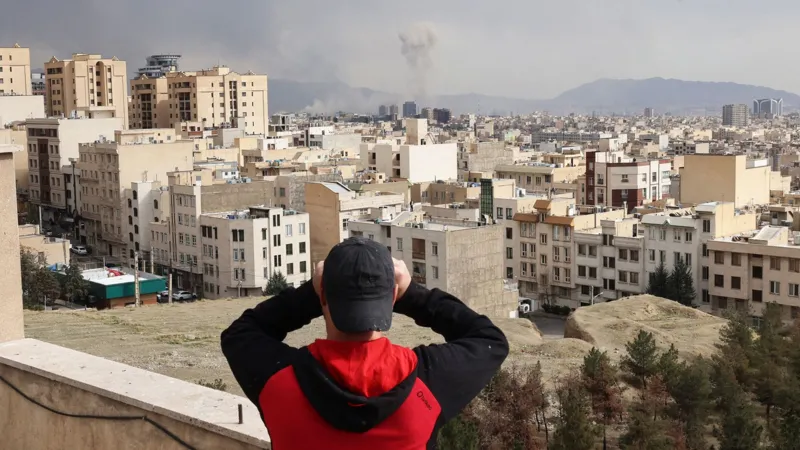
Diplomacy conducted in the middle of a shooting war is different from peace‑time negotiations. It is faster, more urgent, and brutally honest about what is possible. The gap between aspiration and achievable outcome is measured not in years of talks but in bodies piling up on multiple fronts.
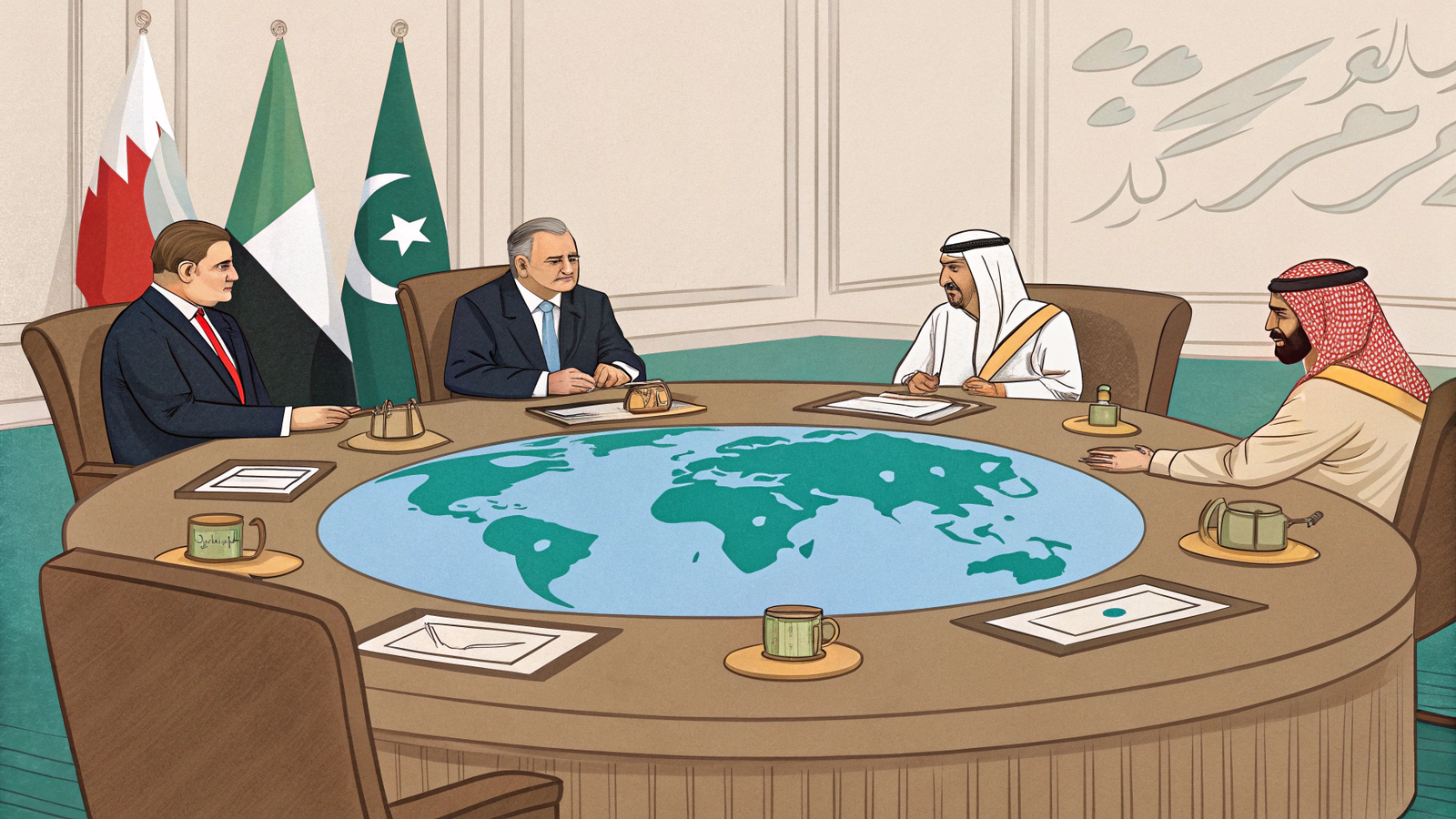
The Islamabad Quadrilateral 2026 was not a formal peace conference with a pre‑signed text. It was a working consultation among four Muslim‑majority states that share geographic exposure, economic stakes, and direct relationships with both Washington and Tehran.
Neither the United States nor Iran sat in the room, but both were in the conversation – their positions filtered through the four mediators.
The Four Countries and Their Roles
Each member of the Islamabad Quadrilateral 2026 brings something unique to the table:
- Pakistan
- Has a 900‑kilometre border with Iran — a major security and economic pressure point.
- Maintains back‑channel communication with Tehran and visible neutrality despite domestic political cost.
- Proposed Islamabad as the venue for US‑Iran talks — the most concrete deliverable from the quadrilateral so far.
- Saudi Arabia
- Financial powerhouse of the Arab world.
- Victim of the war: Ras Tanura refinery attacked, oil infrastructure damaged.
- Key interlocutor for both US and Iran — its support signals that the war is not in the Gulf’s long‑term interest.
- Turkey
- NATO member with strong ties to both Western capitals and Iran.
- Has maintained dialogue with Tehran even during periods of US‑Iran tension.
- Can give Washington direct access to Turkish‑style diplomacy inside the alliance.
- Egypt
- Arab world’s most populous state.
- Mediation experience between Palestinian factions and across North Africa.
- Brings Arab League weight and Gaza‑Sinai border management expertise.
What Was Actually Decided in Islamabad
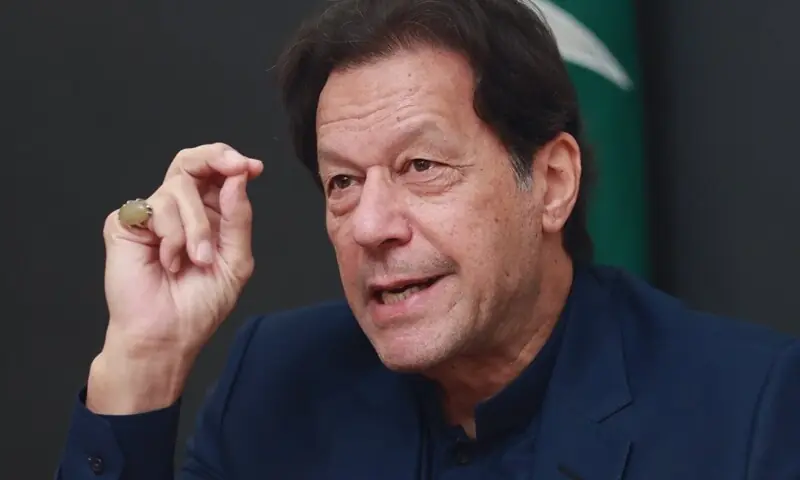
After the meeting, Deputy Prime Minister and Foreign Minister Ishaq Dar briefed the media. He described “a very detailed and in‑depth discussion on the current regional situation” — diplomatic language for a honest reality check on the war’s military, economic, and political status.
Key points from the talks:
- The ministers discussed “possible ways to bring an early and permanent end to the war” — not just ceasefire, but a political framework.
- They explored:
- Conditions under which Iran might accept negotiations,
- Guarantees Washington would need,
- Sequencing of ceasefire, redeployment, and reconstruction.
The most concrete outcome was the endorsement of Pakistan’s proposal to host US‑Iran talks in Islamabad. The four foreign ministers said they fully supported the initiative, turning it from a bilateral Pakistani idea into a regionally backed diplomatic framework.
They also agreed that “this war is not in favour of anyone and would only lead to death and destruction” – a message that both Washington and Tehran will receive via their own channels with these countries.
Pakistan’s Diplomatic Pivot
For Pakistan, the Islamabad Quadrilateral 2026 represents a major diplomatic pivot.
At the start of the Gulf War, Pakistan was mainly coping with spillover effects:
- Border pressure from Balochistan to Iran,
- Disruption of remittances,
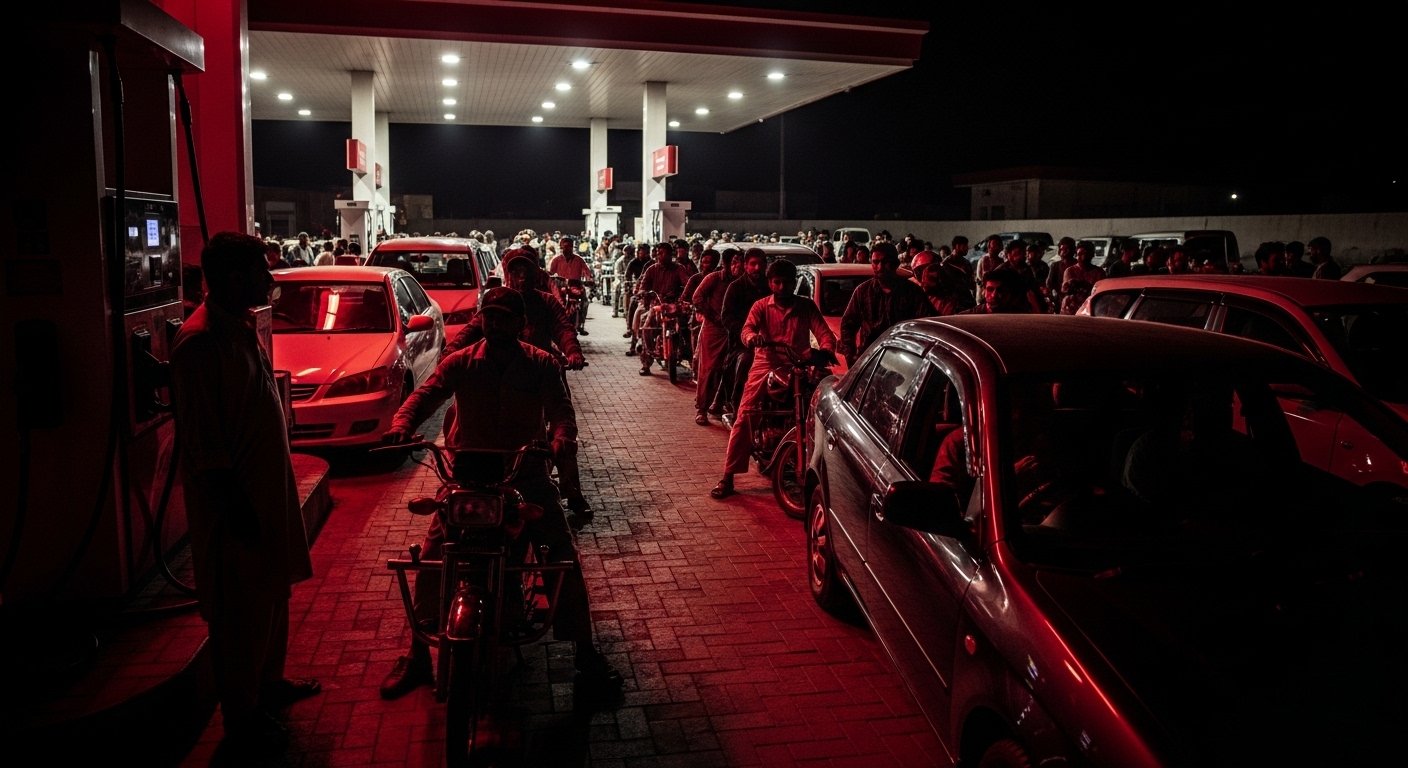
- Energy price shocks,
- Simultaneous Afghanistan‑border crisis.
By hosting the second quadrilateral meeting and proposing Islamabad as the venue for US‑Iran talks, Pakistan is turning its geographic and diplomatic position from a liability into an asset.
The same 900‑kilometre Iranian border that creates security risk also gives Pakistan relationship capital with Tehran – making it the most plausible host for US‑Iran engagement.
Dar hosting the foreign ministers in Islamabad – not Geneva, Vienna, or Muscat – is a clear signal of a country positions itself as an active peace architect, not just a neutral venue.
Why Islamabad for US‑Iran Talks?
Pakistan’s proposal to host US‑Iran talks in Islamabad is not random. It answers a real problem: the absence of a neutral, symbolically acceptable ground where both sides can meet without domestic political backlash.
Islamic capitals that are seen as too close to Washington or Tehran create optics problems:
- Geneva, Vienna, Muscat – politically neutral, but lack Islamic‑world legitimacy.
- Riyadh or Ankara – already deeply involved in the war, so not trusted by both sides.
Islamabad offers a compromise:
- Muslim‑majority capital with established relationships with both US and Iran.
- Government has maintained visible neutrality throughout the conflict.
- Hosting talks in Islamabad gives Iran Islamic‑world legitimacy – something Western capitals cannot match.
With Saudi Arabia, Turkey, and Egypt all backing the proposal, it now carries regional diplomatic weight – not just a single country’s idea.
Muslim Ummah Unity: More Than Just Words
Ishaq Dar said: “The unity of the Muslim ummah in these challenging times is of utmost importance.”
This is not just rhetorical. Iran has been trying to frame the Gulf War as an attack on Islam itself, using sectarian language to divide Sunnis and Shia across the Muslim world – from Pakistan to Indonesia to Morocco.
The Islamabad Quadrilateral 2026’s “Muslim‑world unity” framing directly counters that narrative.
When Saudi Arabia – the custodian of Islam’s holiest sites – joins Pakistan, Turkey, and Egypt in endorsing de‑escalation, it sends a clear message:
Peace is a Muslim‑world priority that transcends Sunni‑Shia divisions.
What Comes Next?
The next steps are predictable but not guaranteed:
- The Islamabad talks proposal must be communicated to Washington and Tehran through each country’s channels:
- Turkey via NATO,
- Saudi Arabia via US security channels,
- Pakistan via direct Tehran engagement,
- Egypt via Arab‑League and regional diplomacy.
- A third quadrilateral meeting is likely within weeks.
- The location of the third meeting will show which country the group is leaning on as the main broker.
If Washington and Tehran signal openness:
- The group could move from consensus to action,
- setting an agenda,
- building confidence,
- and sequencing military and diplomatic steps.
Why This Is Important (But Not Enough)
The Islamabad Quadrilateral 2026 produced something modest but meaningful.
- Modest, because it did not yield a ceasefire or peace treaty – just a consensus statement and a talks proposal.
- Important, because four major Muslim‑majority states are now aligned around a concrete framework, and the Islamabad‑hosted US‑Iran talks now have regional endorsement.
The “Muslim ummah unity” invoked by the four ministers is not just rhetoric. It is the specific diplomatic resource these states can use to counter Iran’s sectarian messaging and push de‑escalation.
On March 29, neither Washington nor Tehran sat in the room – but both were in the conversation. That is what diplomacy looks like when it is trying to end a shooting war.