Trump Iran war speech 2026 will be remembered as one of the most contradictory, controversial, and consequential presidential addresses in modern American history – and it ended with more questions than it answered.
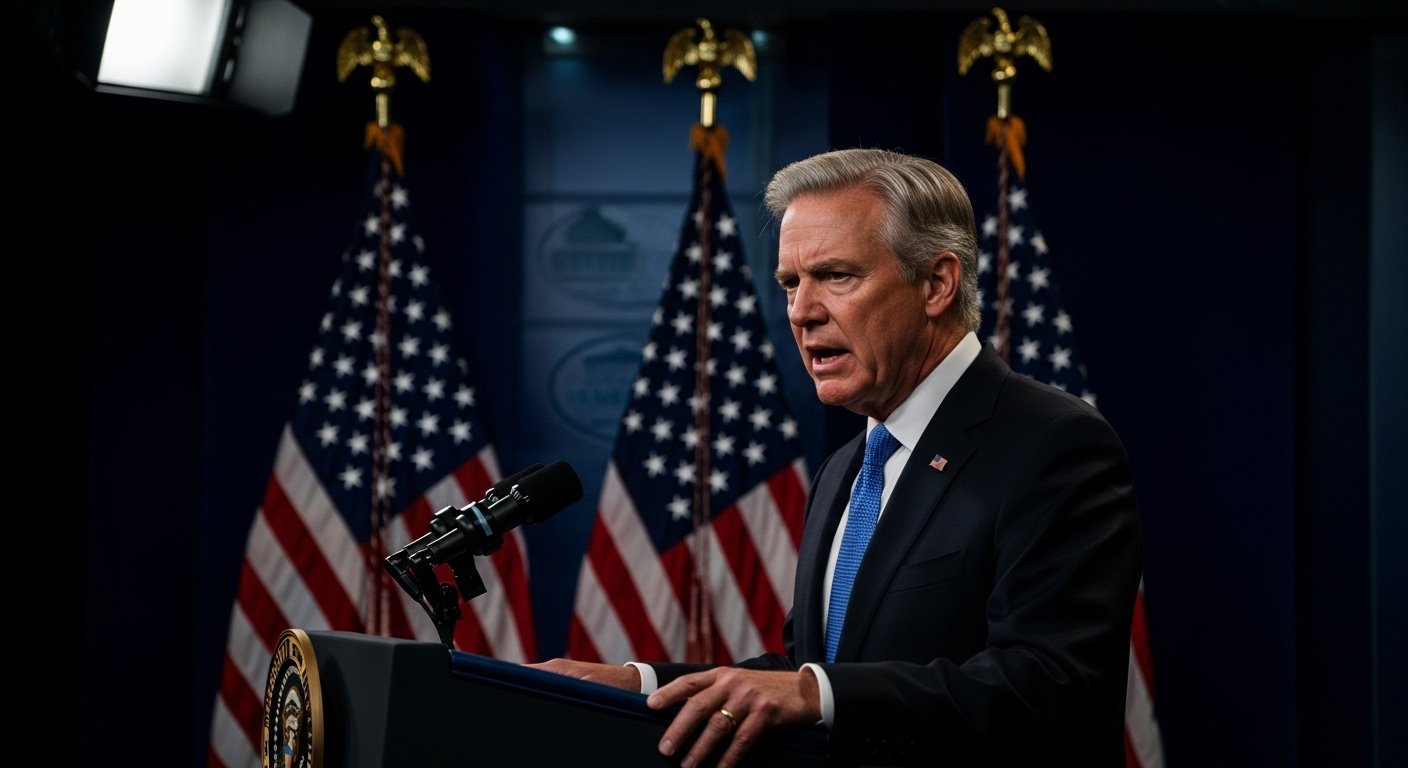
On Wednesday night, President Donald Trump stepped before the cameras at the White House and delivered his first formal address to the nation since the United States and Israel jointly launched Operation Epic Fury against Iran on February 28, 2026 – 33 days ago. The roughly 20-minute speech had been eagerly anticipated for weeks.
By the time it ended, oil prices had surged past $100 per barrel, Washington was bitterly divided, and millions of Americans were left staring at their screens asking the same question: is this war actually ending – or is it entering its most dangerous phase yet?
This is a complete, detailed breakdown of everything that happened tonight – every major moment, every contradition, and what it all means for America, for Iran, and for the world.
The Context: 33 Days of War Nobody Fully Planned For
Before examining what Trump said, it is worth understanding the situation he was speaking into.
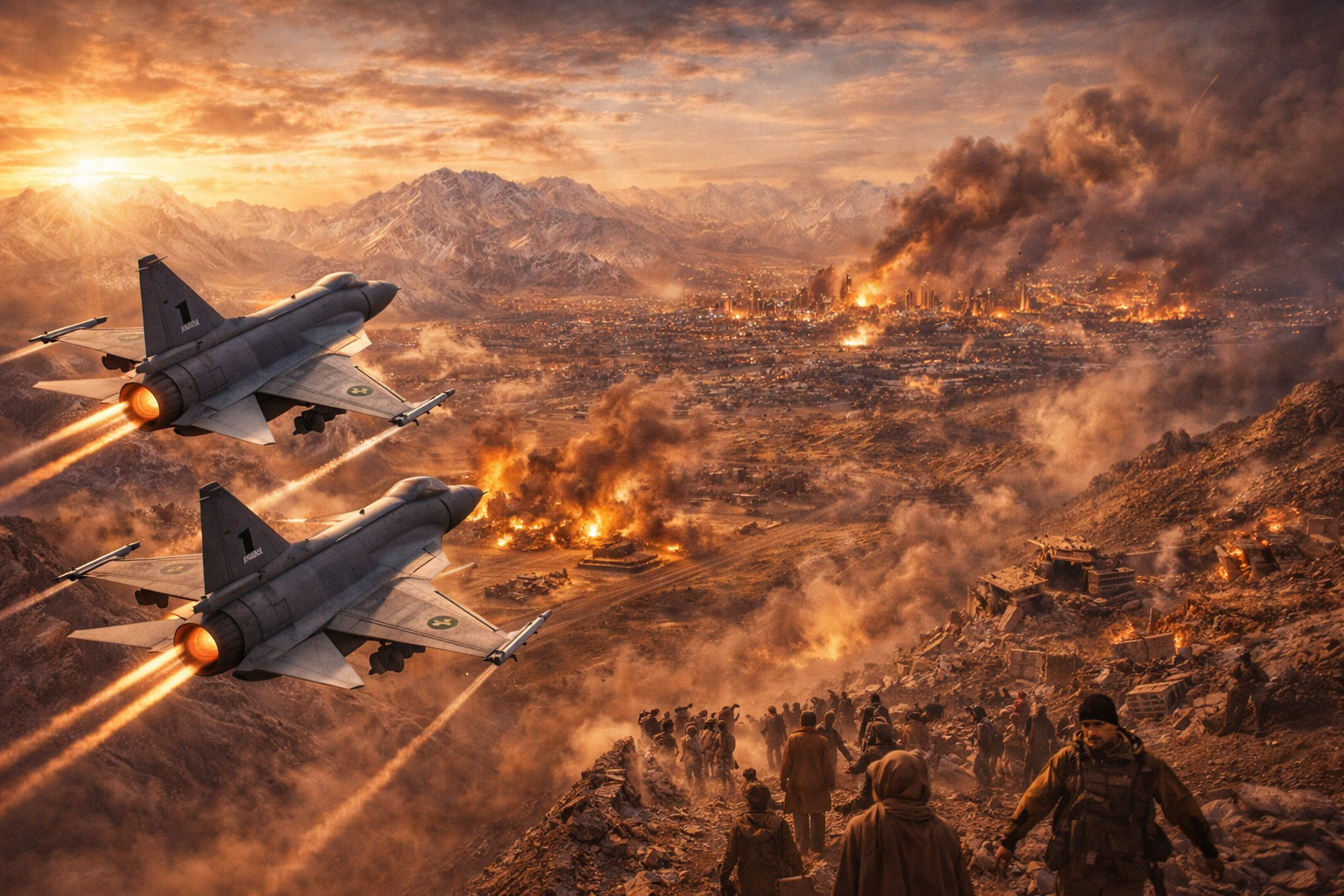
Operation Epic Fury – the joint American-Israeli military campaign against Iran – began on February 28, 2026. In the 33 days since, 13 American servicemembers have been killed in action. Iran’s leadership has been decimated, with the country’s original senior officials reported dead.
The Strait of Hormuz – the narrow waterway through which approximately 20 percent of the world’s entire oil supply passes – has been effectively shut down by the conflict. Gas prices across the United States have climbed above $4 per gallon for the first time since 2022. And the economic shockwaves have spread far beyond American borders, placing Pakistan, India, Indonesia, and dozens of other nations under severe financial pressure.
This was the world Trump was addressing on Wednesday night. A world that needed clarity, reassurance, and above all, honest answers about where this war is going and when it ends. What it got was something considerably more complicated.
Moment One: “We Will Bring Them Back to the Stone Ages”
The line that will define this speech – and potentially this entire chapter of American foreign policy – came early.
Trump declared that America was “on track to complete all of America’s military objectives shortly, very shortly,” and then immediately followed that declaration with a promise to hit Iran “extremely hard over the next two to three weeks.” His exact words: the United States would bring Iran “back to the stone ages, where they belong.”
Two words. Stone Ages. Delivered in the same breath as a claim that the war was nearly won.
The contradiction was immediate and glaring. If military objectives are nearly complete – if victory is truly within reach – why does Iran need to be struck with maximum force for another two to three weeks? The speech offered no satisfying answer to that question. Markets, however, responded with their own answer almost instantly.
Moment Two: “Nearing Completion” – With No Definition of What That Means
Throughout the address, Trump repeatedly used the phrase “nearing completion” to describe the status of America’s military goals in Iran. It was clearly a carefully chosen phrase — designed to project confidence and momentum without committing to any specific timeline, benchmark, or withdrawal date.
No end date was given. No clear definition of what “completion” actually looks like on the ground. No criteria that, once met, would trigger the end of military operations.
This was the central frustration expressed by critics across the political spectrum after the speech concluded. Trump spoke the language of victory without providing any of the substance that would allow Americans — or the world — to verify that victory was real, imminent, or even clearly defined.
For a nation with 13 of its sons and daughters already dead, and more in harm’s way, that absence of clarity was deeply troubling to many who watched.
Moment Three: The Gas Price Promise That Markets Immediately Contradicted
Trump directly addressed the issue that is hitting ordinary Americans hardest right now: the price of fuel.
He acknowledged that the shutdown of the Strait of Hormuz has driven gas prices higher, but characterized the situation as “short-term.” Once the conflict ends, he promised, the strait will reopen “naturally” and gas prices will “rapidly come back down.”
Americans are currently paying an average of $4.06 per gallon for regular gasoline — the highest level since 2022, and a figure that jumped nearly five cents in a single day according to AAA data. For working families, for small business owners, for anyone who drives to work or relies on the supply chain that moves goods across the country, these numbers are not abstract. They are felt in every trip to the pump.
The problem with Trump’s promise is straightforward: oil markets did not believe it. As the president spoke, U.S. crude oil rose to $102.36 per barrel while Brent crude climbed to $104.44 — increases of 2.24 percent and 3.24 percent respectively. The market’s message was blunt and unambiguous. Traders heard “two to three more weeks of intense military action” and priced accordingly. The gap between presidential reassurance and economic reality was impossible to overlook.
The math underlying all of this is simple. The Strait of Hormuz carries one fifth of the world’s oil. Until that waterway reopens — until the conflict ends and shipping normalizes — supply constraints will keep prices elevated. Trump’s gas price promises depend entirely on a war ending on a timeline that he himself declined to specify.
Moment Four: Thirteen Americans Honored, More at Risk
In the most solemn passage of the evening, Trump paused to acknowledge the human cost of Operation Epic Fury.
He recognized the 13 American servicemembers who have died in the conflict, describing them as having “laid down their lives in this fight to prevent our children from ever having to face a nuclear Iran.” He called on the nation to honor their sacrifice by completing the mission for which they gave everything.
It was a moment of genuine gravity in an otherwise combative address. Thirteen families. Thirteen empty chairs at kitchen tables across America. A president standing in the White House promising that their sacrifice was not in vain.
And yet the very next commitment — two to three more weeks of intensified military strikes — means that more Americans will be placed in harm’s way before this conflict concludes. That tension, between honoring the fallen and committing to actions that risk creating more of them, hung over the rest of the speech like a shadow.
Moment Five: Regime Change He Says He Never Wanted — But Claims Full Credit For
Perhaps the single most remarkable moment of the entire address came when Trump addressed the question of Iran’s leadership.
He stated clearly that regime change was never an American objective. Then, in almost the same breath, he declared that regime change had in fact occurred — because all of Iran’s original senior leaders are dead. “We never said regime change,” Trump said, “but regime change has occurred because of all of their original leaders’ deaths — they’re all dead. The new group is less radical and much more reasonable.”
The circular logic here was striking. A president simultaneously denying that regime change was a goal of the war — and claiming full credit for having achieved it. And if Iran’s new leadership is genuinely less radical and more reasonable, as Trump claimed, the obvious question becomes: why does that same country need to be bombed back to the Stone Ages for another two to three weeks?
No answer was offered. The contradiction stood, unresolved, at the center of the most significant foreign policy address of Trump’s second term.
The Divided Reaction: Republicans, Democrats, and Trump’s Own Coalition
The response to the speech broke along predictable partisan lines — but with some significant and noteworthy exceptions.
White House officials expressed satisfaction with the address, telling CNN that Trump had achieved exactly what the administration intended: justifying the war, celebrating military successes, and reassuring Americans that the end was approaching.
Republican Senator Lindsey Graham offered enthusiastic support, crediting Trump’s leadership for making Americans safer. Secretary of State Marco Rubio and Energy Secretary Chris Wright also voiced their backing publicly.
But the criticism that carried the most political weight came not from Democrats — it came from within Trump’s own coalition. Former Representative Marjorie Taylor Greene, who has had a significant public falling out with the president, was direct and unsparing: all she heard from the speech, she wrote, was “WAR WAR WAR” — with nothing to address the cost of living, nothing on the national debt approaching $40 trillion, and nothing on Social Security’s looming insolvency.
From the Democratic side, Senator Mark Warner offered a measured but pointed critique, arguing that the speech had failed to answer the basic questions Americans deserve when their nation is engaged in a costly and dangerous conflict. He described the administration’s justifications for the war as a “moving target” — none of them matched by serious planning for the consequences that were entirely predictable from the start.
Iran’s Response: “False and Baseless”
Before the speech aired, Trump made a striking claim: that Iran’s president had requested a ceasefire. Tehran’s response was swift and categorical.
Iran’s Foreign Ministry spokesperson called the ceasefire claim “false and baseless,” and in a letter released ahead of the address, Iran’s president denied that his country posed any threat to the United States, insisting that the Iranian people harbor no hostility toward other nations.
Two completely contradictory narratives. One active war now entering its second month. And no independent mechanism currently in place to establish which version of events is closer to the truth.
The NATO Question Trump Did Not Address
One of the most significant stories of the day was conspicuously absent from the speech entirely.
Earlier on Wednesday, Trump stated that he was “strongly considering” withdrawing the United States from NATO, following the failure of other alliance members to join Operation Epic Fury against Iran. When he stepped before the cameras that evening, the subject went entirely unmentioned.
The United States leaving NATO — the military alliance that has anchored Western security for 80 years — would represent the most consequential shift in American foreign policy since the end of the Cold War. Trump raised the possibility, then apparently chose not to discuss it publicly in prime time. The silence itself was noted immediately in capitals across Europe, from London to Berlin to Warsaw.
What This All Means: Five Questions, Five Non-Answers
Trump Iran war speech 2026 was undeniably historic. The first formal presidential address on a war that has already cost American lives, disrupted the global economy, closed a critical shipping lane, and reshaped the geopolitical landscape of the Middle East deserved to be addressed directly and honestly.
But historic is not the same as satisfying. Or clear. Or reassuring.
Trump declared victory nearing — then promised devastating strikes for weeks more. He said gas prices would fall — as oil markets immediately proved him wrong. He claimed regime change had occurred — while insisting he never sought it. He honored the fallen — while committing to actions that will create more of them. He spoke for 20 minutes — and answered almost nothing that the American people most urgently needed answered.
The Strait of Hormuz remains closed. Gas is above $4 per gallon. Thirteen Americans are dead. More are in danger. And “nearing completion” remains a phrase without a definition, a promise without a date, and a conclusion without a shape.
One thing is completely certain: this story is far from over.
Sultan News will continue covering the Iran war and its impact on the United States, Pakistan, and the world. Bookmark SultanNews.online for complete ongoing coverage.