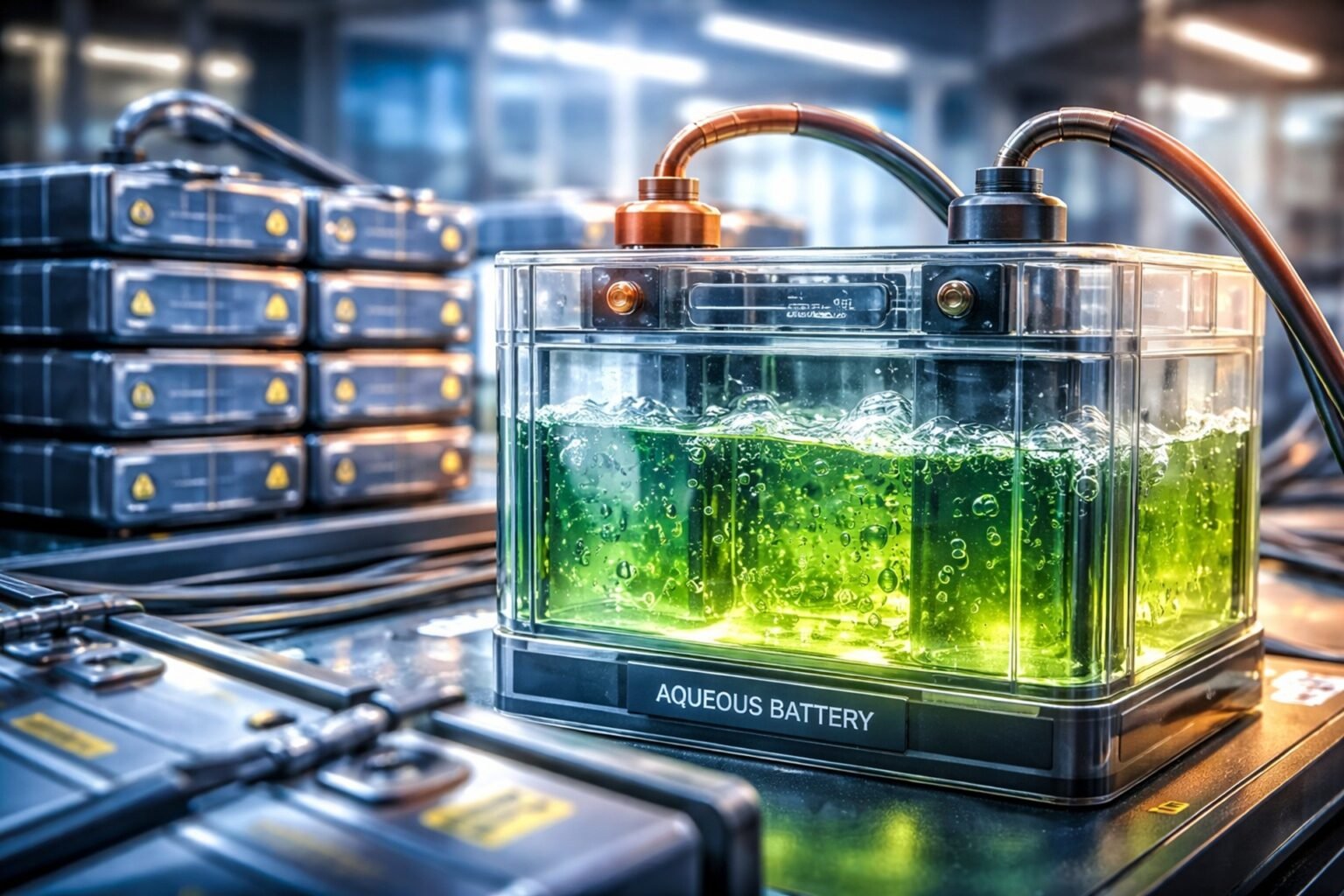
Tofu brine water battery is no joke – it could be the future of safe, cheap, and eco‑friendly grid storage. Scientists have found that the calcium‑rich wastewater from tofu factories can stop the main problem that killed earlier water‑based batteries: zinc dendrites. The result is a zinc‑ion aqueous battery that powered lab tests for over 120 charge cycles without the dangerous spikes that ruined previous designs. This technology is non‑flammable, made from food waste, and has a chance to replace lithium‑ion batteries for solar and wind storage.
For Pakistan, the timing is powerful. The country already has over 5 gigawatts of solar capacity, faces 12‑hour load shedding, and is dealing with rising fuel prices from the Gulf war. A “water battery” made from tofu brine could change how homes, factories, and the national grid store electricity. It’s clean, fire‑safe, and built from waste – not new mines. This is the kind of breakthrough that could move Pakistan toward a smarter, safer energy future.
Tofu Brine Water Battery: A New Era for Safe Storage
Tofu brine water battery is not just a quirky lab project – it’s a serious candidate to replace lithium‑ion for grid storage. Scientists have turned calcium‑rich tofu‑factory wastewater into a zinc‑ion aqueous battery electrolyte that stops the main problem that killed earlier water‑based batteries: zinc dendrites. Lab tests show over 120,000 charge cycles with almost no loss in performance and saltwater‑level safety.
This kind of “water battery” is non‑flammable, non‑toxic, and made from food waste, not mined cobalt and lithium. For Pakistan, with 5 gigawatts of solar power and 12‑hour daily load shedding, this technology could store daytime solar for evening use without the fire risk of lithium‑ion systems.
Why Lithium‑Ion Batteries Are Not the Perfect Choice
Lithium‑ion batteries dominate phones, EVs, and many solar systems because they are energy‑dense and compact. But they carry two big problems: fire risk and destructive mining. The organic electrolyte inside them can catch fire if a cell is damaged, overcharged, or overheated. Thermal runaway can spread fast across a whole battery pack, leading to fires in cars, warehouses, and ships.
The mining side is equally worrying. Cobalt, used in many lithium‑ion cathodes, is mostly mined in the Congo under harsh human‑rights and environmental conditions. Lithium extraction in places like Chile’s Atacama Desert uses huge amounts of water in already dry regions. The “clean energy” promise weakens when the supply chain is so dirty and dangerous.
Why Water Batteries Make Sense
Aqueous (water‑based) batteries use water as the electrolyte, which does not burn. The main chemistry being tested uses zinc as the anode, which is cheap, abundant, and easy to recycle. The idea is simple: replace fire‑prone organic solvents with safe, easy‑to‑source water‑based systems.
The main problem so far has been zinc dendrites. When the battery charges, zinc grows unevenly on the anode, forming sharp spikes. Those spikes grow with each cycle and eventually short‑circuit the cell. Previous aqueous zinc batteries failed long before they became useful for grid storage. The tofu brine discovery fixes that problem.
How Tofu Brine Stops Zinc Dendrites
Tofu brine is the wastewater left after soybeans are turned into tofu. It contains calcium ions and organic molecules like proteins and polysaccharides. Scientists realized that this mix actually traps and slows zinc growth on the anode.
The calcium ions slow down how zinc deposits on the surface, preventing hotspots where sharp spikes form. The organic compounds stick to the zinc like a template, guiding the metal into a smooth, even layer instead of jagged needles. In tests, this system survived over 120,000 charge cycles with minimal degradation. That is far longer than any lithium‑ion battery today.
From Waste to Battery Gold
Globally, the tofu industry produces around three million tonnes of tofu every year. About 60 percent ends up as briny wastewater, which factories pay to treat or dispose of. The tofu brine water battery flips this into value: food waste becomes battery feedstock.
For battery makers, this is cheaper than buying lithium salts or cobalt compounds. The same idea could apply to cheese whey, pickle brine, fruit‑juice waste, and dairy effluent. These streams also contain calcium and organic compounds that might stabilize zinc just as tofu brine does. The food industry could turn its waste into a global energy‑storage resource.
Pakistan’s Solar Storage Problem
Pakistan has over 5 gigawatts of solar capacity, but most of it is wasted when the sun is shining and the grid is not ready. At night, demand is high but solar is off. Without storage, load shedding remains common. The tofu brine water battery could capture daytime solar and release it in the evening, reducing pressure on the grid.
Lithium‑ion batteries are too risky for many urban homes and apartments because of fire concerns. A non‑flammable water battery could be safely installed on rooftops, in basements, or near factories. Combined with Pakistan’s huge dairy and food‑processing waste, the raw material to build these batteries is already being thrown away.
Safety and Cost Advantages
The biggest advantage of the tofu brine water battery is safety. It runs on water‑based electrolyte, so it will not catch fire like lithium‑ion. It is also non‑toxic and can be safely discarded under normal waste rules. For hospitals, schools, offices, and dense city apartments, this is a huge improvement.
Cost is another plus. The electrolyte comes from food‑processing waste, which is cheap or even free once the collection system is in place. Cell materials are simpler and can be manufactured at scale. Over time, a low‑cost, long‑life water battery could replace lithium‑ion for most grid storage uses.
What Stands Between Lab and Real‑World Use
The tofu brine water battery has proved itself in laboratory tests, but scaling it to real‑world use is complex. Factories must produce thousands of cells with the same quality as the lab. The exact mix of tofu brine can change with soybean type, factory, and region. Engineers must standardize the chemistry without losing performance.
Another issue is cold‑weather performance. Water‑based systems can slow down or freeze in cold climates. Solutions may include insulated enclosures or electrolyte additives. Finally, long‑term real‑world testing is needed to confirm that the 120,000‑cycle promise holds up in harsh conditions.
Could Pakistan Build a Local “Water Battery” Industry?
Pakistan already has factories, food‑processing plants, and solar farms. A logical place for a pilot plant is Faisalabad or similar industrial hubs, where dairy, tofu, and other agro‑processing wastes are close. The “drain outside the tofu factory” could become a real energy source.
For this to happen, policy support is essential. NEPRA and energy regulators should reward grid‑connected storage. Provincial governments should treat local battery manufacturing as a strategic sector and fund research collaborations with universities. If Pakistan moves fast, it could become a global leader in food‑waste‑based energy storage.
The Bigger Picture: Food Waste to Battery Gold
The tofu brine water battery is just the beginning. If this same chemistry works with cheese whey, pickle brine, fruit‑processing wastewater, and dairy effluent, the impact multiplies. The food‑waste pipeline becomes a battery feedstock pipeline. This turns a costly environmental problem into a profitable energy resource.
Over time, we could see a global network of water batteries powered not by mines, but by waste streams from kitchens, farms, and factories. The lithium‑ion era may fade as the water‑battery era begins, starting with brine from a simple block of tofu.