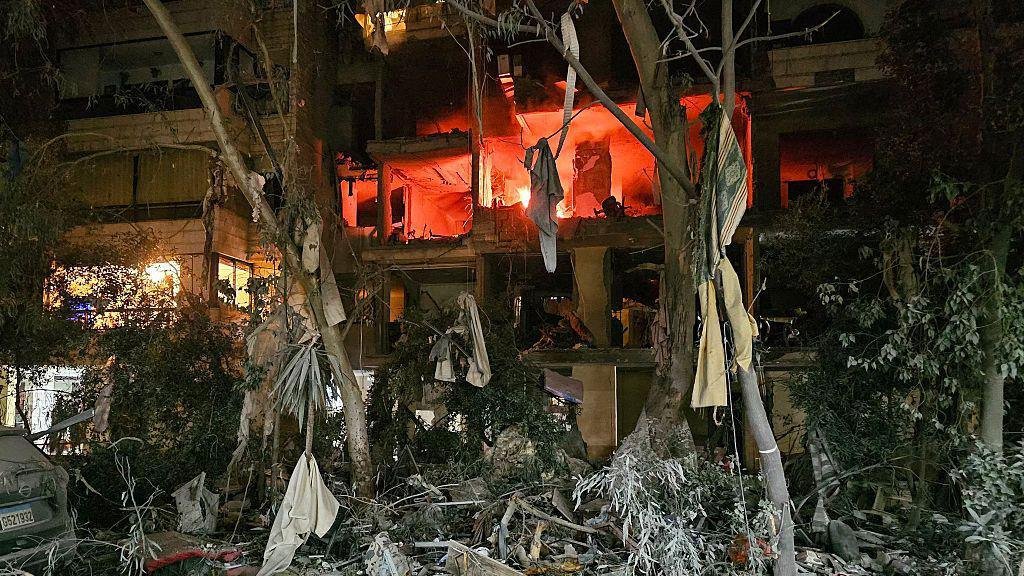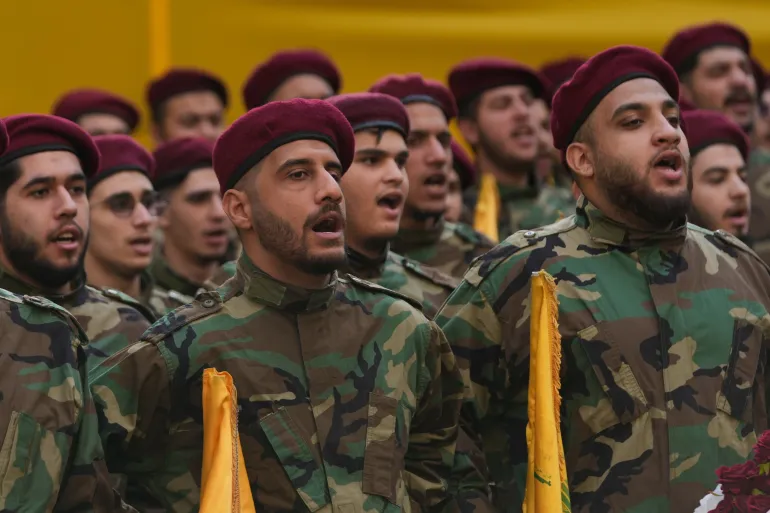
Pakistan defence minister says country in open war with Afghanistan after a dramatic escalation along the 2,600‑kilometre Durand Line. Pakistan’s Defence Minister Khawaja Asif has publicly declared the country in “open war with Afghanistan”, hours after Pakistan launched JF‑17 Thunder airstrikes on 22 Afghan military targets across Kabul, Kandahar and Paktika.
The move followed a large‑scale Taliban offensive into Pakistani territory that reportedly captured 19 border posts and two bases, killing dozens of soldiers and marking the biggest Afghan territorial gain against Pakistan since the two countries’ independence. Behind the headlines lies a deeper story — how the October ceasefire collapsed, why Pakistan chose to declare open war, and what this means for TTP, CPEC, India and Pakistan’s economy.
Pakistan’s Defence Minister Khawaja Asif has publicly declared the country in “open war with Afghanistan” after a major escalation along the 2,600‑kilometre Durand Line. The announcement followed a series of Pakistani JF‑17 Thunder airstrikes on 22 Afghan military targets across Kabul, Kandahar and Paktika, hours after the Taliban launched a large‑scale offensive into Pakistani territory. The move signals the end of Pakistan’s earlier strategy of limited cross‑border strikes and marks the beginning of what officials describe as a full‑scale border war.
The Collapse of the Ceasefire: What Finally Broke Pakistan’s Patience
The four‑month ceasefire agreed in October was always fragile. Analysts had described it as a truce of exhaustion, not a settlement of the core disputes that have fueled Pakistan‑Afghanistan tensions for decades. During those months, both sides quietly rearmed, repositioned forces and prepared for the moment when the conflict would inevitably restart.
Pakistan’s leadership finally decided to declare open war after a series of provocations that crossed key red lines:
- A suicide bombing at an Islamabad mosque, blamed on militants operating from Afghan territory, shook the capital’s political and urban middle class in a way that distant border clashes could not.
- Taliban drones struck Abbottabad, including the Pakistan Military Academy (PMA), the institution that trains Pakistan’s army officers — a symbolic attack on the military’s prestige.
- A massive Taliban offensive along the Durand Line reportedly captured 19 Pakistani border posts and two bases, killed dozens of soldiers and marked the largest Afghan territorial gain against Pakistan since the two countries’ independence.
These events together pushed Pakistan’s security establishment to abandon limited‑scope strikes and publicly declare war.2. The Military Exchange: Pakistan’s Air Power vs. Taliban’s Terrain Advantage
Militarily, Pakistan holds a clear conventional advantage over the Taliban‑led Afghanistan, but the terrain and insurgency‑style tactics neutralise much of that edge.
Pakistan’s strengths: - JF‑17 Thunder jets give Pakistan near‑total air superiority; Taliban forces have almost no advanced air defense.
- Burraq and Wing Loong drones provide persistent surveillance and precision strikes on Taliban command centers, logistics hubs and convoys.
- Artillery and long‑range guns dominate the border, allowing Pakistan to shell Taliban positions deep inside Afghanistan without major ground‑force risks.
Taliban’s strengths: - Intimate knowledge of terrain across every mountain pass, valley and cave along the 2,600‑km frontier makes Taliban positions difficult to dislodge with airstrikes alone.
- Manpower depth: A population accustomed to decades of war can absorb casualties that Pakistan’s precision strikes alone cannot offset.
- Legacy US weapons captured in 2021 — including M16 rifles, Humvees, artillery pieces and MANPADS — have upgraded Taliban capabilities and forced Pakistan to adjust its doctrine.
The result is a lopsided but cumbersome war: Pakistan can inflict heavy damage, but turning that into lasting control along the border is extremely difficult.3. Propaganda War: Why the Casualty Numbers Are Hard to Believe
Both sides are using casualty figures as propaganda tools, not objective data. - Taliban claims 55 Pakistani soldiers killed and 19 posts plus two bases captured in the Thursday night offensive — figures widely seen as inflated.
- Pakistan claims over 200 Taliban fighters killed in the 22 airstrikes — likely an upper‑bound estimate meant to show decisive impact.
The most credible numbers are Pakistan’s 12 confirmed soldiers dead and the Taliban’s 13 dead and 22 injured — a sign that the real toll may lie somewhere between propaganda extremes.4. Pakistan’s Strategic Dilemma: Victory, Stalemate, or Quagmire
Pakistan now faces three main paths:
Decisive victory:
Taliban forces are forced to expel or neutralise TTP leadership and stop providing safe havens for anti‑Pakistan militants. This requires either political capitulation or a military defeat so heavy that Taliban can’t recover.
Stalemate (most likely scenario):
Sustained skirmishes, periodic airstrikes, but no permanent control of the border. Pakistan’s air power keeps pressure on Taliban, but Afghanistan’s terrain and manpower prevent a clear win.
Quagmire (high‑risk):
Pakistan gets dragged into a prolonged ground war in Afghanistan’s mountains, with TTP sympathisers inside Pakistan’s security forces complicating operations. History shows every foreign power that tried to occupy Afghanistan by force eventually failed or withdrew at heavy cost.
Experts see stalemate as the most probable outcome, but the risk of quagmire remains high.5. The TTP Dimension: Enemy Within the Enemy
Tehrik‑i‑Taliban Pakistan (TTP) is the core trigger behind Pakistan’s escalation. Since the Taliban’s return to power in 2021, Pakistan has accused it of allowing TTP to regroup, train and launch cross‑border attacks from Afghan soil. - The Islamabad mosque bombing just before the war was the final political flashpoint.
- Pakistan’s leadership now insists that TTP networks must be uprooted — but the Taliban denies control over TTP and resists pressure.
This creates a “enemy within the enemy” problem: Pakistan is fighting the Taliban regime, which tolerates the TTP, which in turn has sympathisers inside Pakistan’s own security ecosystem.6. Refugee and Humanitarian Crisis: War on Top of Displacement
Pakistan’s 2023 deportation of over 500,000 Afghan refugees created a hidden vulnerability. Now those same people are being re‑caught in the war: - A Nangarhar refugee camp hit in the airstrikes houses many of the recently deported Afghans.
- New refugee flows are heading toward Peshawar and Quetta, where local economies are already under pressure from the Gulf‑driven economic crisis.
The $2 billion annual border trade from Torkham and Chaman has collapsed with both crossings fully closed, deepening the economic and humanitarian impact.7. Pakistan’s Political Crisis: Shehbaz Sharif Under Pressure
Prime Minister Shehbaz Sharif is now managing his first open war in the worst‑possible context: - Economic crisis (Rs400 petrol, remittance slump, LNG shortages).
- Military demands for a decisive outcome.
- Domestic political pressure from an opposition that blames the government.
The war is testing the coalition’s stability like never before.8. China’s CPEC Anxiety: $62 Billion at Risk
China has $62 billion invested in the China‑Pakistan Economic Corridor (CPEC), much of it concentrated in Balochistan and KPK, the same provinces bordering Afghanistan. The Taliban–drone threat, TTP attacks and border instability directly threaten CPEC security. Beijing is now quietly pressuring both sides to de‑escalate — but its leverage is limited.9. India and the Gulf: Pakistan Surrounded
Pakistan’s war with Afghanistan comes at a time when: - India is watching closely, possibly looking for opportunities to pressure Pakistan on other fronts.
- The Iran‑US Gulf War is driving up fuel prices, remittances, and Pakistan’s debt crisis.
Pakistan is now under multi‑front pressure from Afghanistan, India, Iran‑US spillover, and its own economy — a combination no previous Pakistani government has faced at once.10. What the Next 48 Hours May Decide
Analysts are watching a 48‑hour window to see if: - Pakistan doubles down with more airstrikes and possible limited ground operations.
- Taliban responds with drone strikes, TTP attacks, and international victim‑narrative‑building.
- Turkey and Saudi Arabia can broker a face‑saving ceasefire.
The outcome will determine whether this “open war” becomes a short, sharp conflict or a long, grinding stalemate.Conclusion: What ‘Open War’ Really Means for Pakistan
Pakistan’s Defence Minister’s “our patience has run out” remark is not just rhetoric — it signals a strategic shift from limited strikes to full‑fledged war with Afghanistan. The conflict is militarily asymmetric in Pakistan’s favour, but politically and historically dangerous.
For Pakistan, the war is about TTP, Taliban drone strikes on the PMA, and border security — but the cost may fall on economy, refugees, CPEC, and regional stability. Whether this “open war” brings security or deeper crisis will depend on how long it lasts, how it is managed, and how Pakistan’s neighbours, especially China and the Gulf states, react.