Iranian strikes on Qatar and Saudi energy sites in Gulf War 2026 reshaped the conflict by turning the region’s oil and gas infrastructure into a battlefield. On a single night, Iranian missiles and drones hit Qatar’s Ras Laffan LNG complex and Saudi Arabia’s Ras Tanura refinery, while US fighter jets crashed under friendly fire in Kuwait.
The world woke up to oil prices jumping 8%, Gulf skies turned into a chaotic mix of drones, missiles, and allied jets, and the war’s real weapon became clear: energy facilities, not just the military. This post explains how Iran used Qatar and Saudi Arabia’s energy sites as leverage, how the US‑led coalition reacted, and what this means for Pakistan, India, the Gulf, and global markets.
What Happened on Sunday Night: An Energy‑Focused Strike
The night of the Iranian attack on Qatar’s Ras Laffan LNG complex and Saudi Arabia’s Ras Tanura refinery was not a random escalation – it was a deliberate shift in Iran’s war strategy. Instead of only targeting military bases or trying to close the Strait of Hormuz, Iran launched a coordinated strike on the very infrastructure that keeps global energy markets running – natural gas plants and oil refineries that supply Europe, Asia, and the Americas.
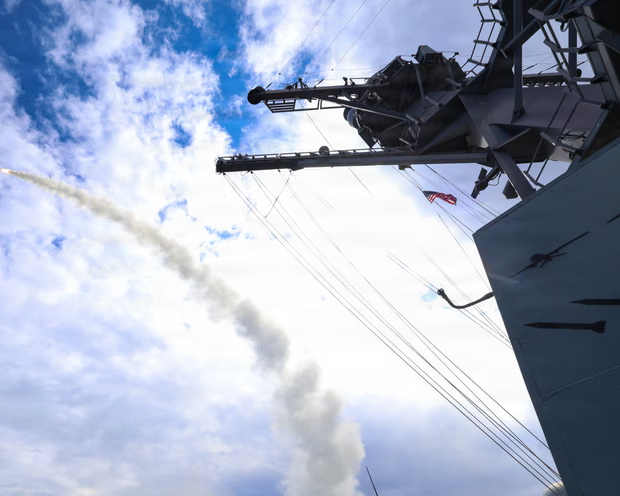
In Qatar, Iranian missiles entered the airspace around Ras Laffan, the world’s largest single LNG processing facility, responsible for about 20–25% of global liquefied natural gas supply. Most of the missiles were intercepted by Qatari F‑15QA Ababils and Eurofighter Typhoons, supported by Patriot batteries, but the ones that came close enough to the complex forced QatarEnergy to shut down production as a safety measure. The plant was not destroyed, but the temporary shutdown had an immediate effect – the world’s biggest LNG supplier suddenly went offline, creating panic in gas‑dependent markets, from Europe to Japan, South Korea, and India .
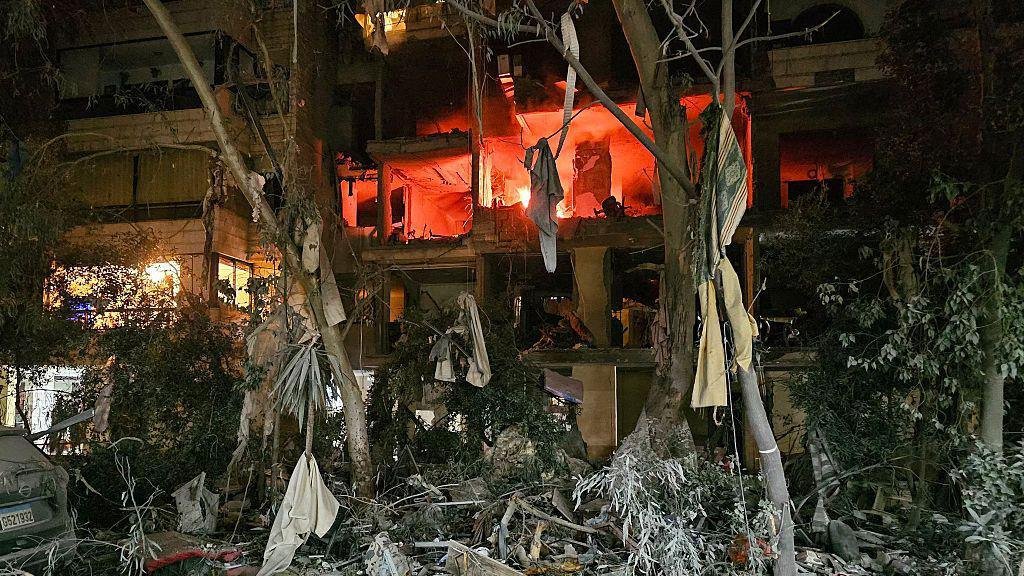
At the same time, in Saudi Arabia’s Eastern Province, Iranian drones struck Ras Tanura, the world’s largest oil refinery complex, handling around 12% of global crude oil processing. Videos showed large smoke plumes rising from the area, while Saudi Aramco and the government downplayed the damage, saying operations were “largely intact”. In reality, the refinery was running at reduced capacity under high security, unable to operate normally because of the threat of further attacks. Oil tankers waiting to load outside the facility were forced to delay their journeys, adding to the uncertainty in the market .
Over Kuwait, the skies became a chaotic mess of American F‑35s, Israeli F‑15s, Saudi Typhoons, Qatari interceptors, and Iranian drones. Under this pressure, Kuwaiti Patriot missile batteries, aiming to defend their territory, mistakenly shot down several US jets – a tragic friendly‑fire incident. The pilots ejected safely and survived, but the aircraft were destroyed. The Pentagon quickly labeled the event as “suspected friendly fire”, confirming that the mistake happened in the confusion of a crowded, fast‑moving air battle, where the Identification Friend or Foe (IFF) signals of multiple allied jets became impossible to track perfectly.
Why Iran Chose Energy Facilities as Targets
Iran’s decision to strike Qatar’s LNG plant and Saudi Arabia’s oil refinery was not impulsive – it was part of a long‑planned “energy‑terror” doctrine . Iran’s leaders knew that the conventional war – missile exchanges, air raids, and drone attacks – was going against them. US and Israel controlled the skies, Iran’s missile stockpiles were shrinking, and Gulf states had switched from defense to active combat roles. In this situation, striking energy infrastructure gave Iran a different kind of power.
By targeting Ras Laffan (Qatar) and Ras Tanura (Saudi Arabia), Iran could:
- Cut global gas and oil supplies, driving up prices.
- Pressure Western economies that depend on Gulf energy.
- Create internal pressure in the US and Europe to push for a ceasefire, even if the war itself was “going well” militarily.
The cost‑effectiveness of this strategy was shocking:
- A Shahed‑136 drone costs about $20,000 to build.
- A Patriot missile that intercepts it costs $2 million or more.
- When such a drone causes one week of Ras Tanura shutdown, it can generate around $10 billion in global economic losses – a 500,000‑to‑1 leverage ratio.
In other words, for a few thousand dollars, Iran could impose billions of dollars in damage on the global economy – a “weapon” far more effective than a single missile or even a nuclear bomb in the short term.
The Friendly‑Fire Disaster in Kuwait
The downing of US jets by Kuwaiti Patriots was a coalition‑style tragedy, not an Iranian victory. The problem was “friendly fire”, a classic risk in multi‑national air operations where multiple countries’ planes share the same airspace, but their systems are not perfectly synchronized.
On that night, the skies over the Gulf were filled with:
- American F‑35s striking Iranian targets.
- Israeli F‑15s hitting Hezbollah logistics in Syria and Iraq.
- Saudi Typhoons patrolling the skies over shipping lanes.
- Qatari interceptors defending Ras Laffan.
- Iranian drones and missiles flying toward targets in the Gulf.
Each country’s air‑defense systems tried to identify “friendly” and “enemy” planes using Identification Friend or Foe (IFF) signals – electronic pulses that friendly aircraft emit. But in the chaos of dozens of fast‑moving targets, the Patriot batteries in Kuwait couldn’t tell the difference between an Iranian drone and a US jet. Under pressure, the system mistook American jets for enemy aircraft and shot them down.
The tragic irony is that the jets were not lost to Iran’s skill, but to the chaos of their own allies’ defenses. The incident highlighted the weakness of coalition integration: the Gulf states, America, and their allies share similar weapons and tactics, but they don’t have the same level of joint‑air‑control that NATO has developed over decades. Without this, the risk of friendly‑fire accidents remains high — and the war is likely to see more such incidents.
How Oil and Gas Prices Exploded After the Strikes
The economic impact of Sunday night’s attacks was immediate and brutal. The average person might think, “Why should a missile in the Gulf affect my petrol price in Pakistan or India?” The answer is simple: Gulf oil and gas keep the world economy moving.
- Qatar’s Ras Laffan produces around 77 million tonnes of LNG per year, about 20–25% of global LNG supply, supplying Europe, Japan, South Korea, India, and Pakistan. When it shuts down, gas shortages hit power plants, homes, and factories.
- Saudi Arabia’s Ras Tanura processes around 12% of global crude oil. When it runs at reduced capacity, global oil supply shrinks, and prices rise.
- The Strait of Hormuz – through which about 20% of the world’s daily oil consumption passes is closed, meaning even if Saudi and Qatari plants produce oil, they can’t export it.
Oil prices, which were around $75 per barrel before the war, shot up to over $103 immediately after the strikes and were heading toward $150–$200 . Gas prices in Europe and Asia also spiked. This is not speculation – it’s basic arithmetic: when supply drops and demand stays the same, prices rise.
Pakistan’s Economic “Crisis on Top of Crisis”
For Pakistan, Sunday night’s energy attacks turned an already bad situation into a full‑blown crisis. The country’s economy, already struggling with low reserves, high inflation, and IMF pressure, now faced three simultaneous shocks:
- High fuel prices
- Before the war, petrol in Pakistan was already high, thanks to global oil prices.
- After the strikes, oil prices moved toward $150–$200, and petrol at Rs400 per litre became a realistic scenario, not just a worst‑case forecast.
- This means transportation, agriculture, and power generation become more expensive, pushing up the price of food, medicine, and electricity.
- Electricity crisis due to gas shortages
- Pakistan’s power plants rely heavily on Qatar’s LNG for gas . When Ras Laffan shuts down, gas supply to Pakistan drops.
- The result? “20‑hour load‑shedding” – long blackouts that hit hospitals, businesses, and homes.
- Without gas, factories shut down, production drops, and unemployment rises .
- Collapse of Gulf remittances
- Around 10 million Pakistani workers in Qatar, UAE, Saudi Arabia, and other Gulf states send money home .
- With the war disrupting businesses, oil exports, and airlines, these workers face job losses, delayed salaries, and flight cancellations.
- If remittances drop, Pakistan’s foreign exchange reserves fall, the rupee devalues, and imports become even more expensive – creating a “perfect storm” of economic crisis.
In short, Pakistan is not just watching the war from the sidelines – it is paying the price in petrol, electricity, and jobs .
The Gulf States’ Response: From Defense to Offense
The Gulf Cooperation Council (GCC) states – Saudi Arabia, Qatar, UAE, Bahrain, Kuwait, and Oman – had already started shifting from defensive to offensive roles in the war. Sunday night’s attacks on Ras Tanura and Ras Laffan accelerated this shift.
- Saudi Arabia realized that Iran’s strikes on its oil infrastructure could not be ignored. It began coordinating with the US military to launch retaliatory strikes on Iranian drone bases, missile silos, and IRGC command centers.
- Qatar moved its air defenses into a “hair‑trigger” mode, meaning jets and missiles would be fired faster and with less confirmation, increasing the risk of accidents but also reducing the chance of another Iranian strike.
- UAE activated its THAAD missile defense system across the Gulf, tracking every drone and missile in the region.
- All Gulf states now faced a unified message: “If you attack our oil and gas, you will pay a military price.”
In practical terms, this means Iran is no longer fighting just the US and Israel – it is fighting the combined military power of the richest states in the Gulf, backed by American technology and strategy.
The Real “Endgame” of the Gulf War
Experts now see four main scenarios for how the war could end:
- Economic truce
- If the global economy feels too much pain from high oil and gas prices, governments may push for a ceasefire.
- Iran can claim “victory” by saying it forced the world to negotiate, while the US‑led coalition focuses on limiting Iran’s nuclear ambitions.
- Coalition victory
- US and Gulf air forces destroy Iran’s missile and drone capabilities, and Iran’s leaders are forced to surrender or negotiate.
- This scenario is militarily possible, but it will be expensive and politically hard.
- Iran’s “economic choke” victory
- Wider war with Russia and China
- If Russia or China openly support Iran, the war could become a great‑power confrontation.
- This is the least likely outcome, but also the most dangerous.
Which of these scenarios will happen? Only time will tell, but one thing is clear: Saturday night’s strikes on Ras Tanura and Ras Laffan changed the course of the war – and our lives .
Conclusion: Energy as Iran’s Most Powerful Weapon
Iran’s Sunday night attacks on Qatar’s Ras Laffan and Saudi Arabia’s Ras Tanura were not just about military targets – they were about money, politics, and global panic. By striking energy infrastructure, Iran showed that it could inflict pain on the entire world, not just the