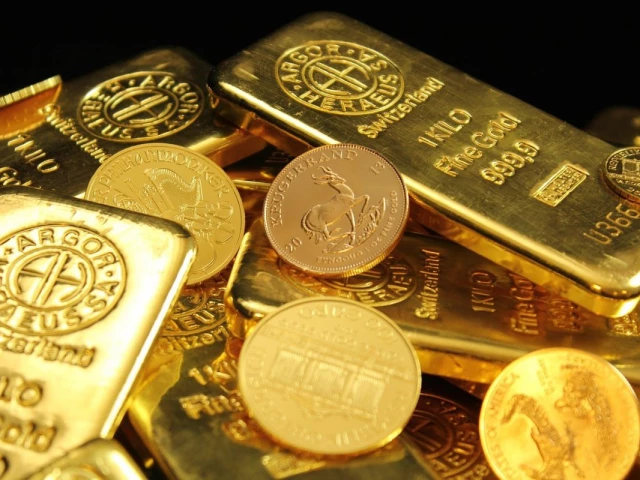
Gold and silver prices continue strong upward movement, turning the sarafa bazaar into a daily report card on Pakistan’s fear, inflation, and currency weakness. One tola of gold now stands at Rs523,962, up Rs7,900 in a single day – a 1.5 percent jump that feels like a permanent raise in the cost of life, especially for wedding families. Globally, spot gold has crossed $5,012 per ounce, while silver surged 2.7 percent to $79.24, as investors rush into precious metals.
This is not just a “trend of the day” – it is a structural shift driven by Iran‑US war, Gulf oil shock, and rupee depreciation. For Pakistan, the result is skyrocketing wedding budgets, tougher savings decisions, and a quiet message from the market: metal, not rupee‑cash, is the safer place to be. The wedding‑season demand, forward‑booking madness, and central‑bank gold‑buying are all feeding the same rally.
Gold and Silver Prices Continue Strong Upward Movement: The Big Picture
The phrase “gold and silver prices continue strong upward movement” is not just a chart description – it is a macroeconomic sentence. When both metals move up at the same time, it signals that the market is worrying about inflation, currency collapse, and geopolitical risk all together. Right now, gold is above $5,012 per ounce, and silver is at $79.24, driven by the Iran‑US war, Hormuz‑closure risk, and Gulf oil near $105.
For Pakistan, this is the worst‑case combo: global prices rising and the rupee sliding against the dollar. The SBP’s 15 percent gold reserve increase shows that even the central bank is treating gold as the main inflation and risk‑hedge. Families, jewellers, and investors are all watching the same sarafa‑bazaar tola rate, trying to decide whether to buy, sell, or wait for a crash that may never come.
Rs523,962 Per Tola: What the Number Tells Us
The Rs523,962 per tola price is a proxy for stress. It is built from two things:
- The global dollar price of gold (around $5,012/oz).
- The rupee‑dollar rate (around 279.57).
Even a small dollar move in gold becomes a huge rupee move because of the weak rupee. That is why a 1.5 percent jump in gold can feel like a financial earthquake in Pakistan. The previous Rs420,000–450,000 levels now look like a “golden era” of cheap gold, but the trend is clearly upward, not down.
For middle‑income Pakistanis, this number is not abstract. It is the budget line they must cross for a wedding, or the line that separates saving from panic‑buying. The wedding‑gold market is now one of the most inflation‑sensitive segments of the economy.
Silver’s 2.7 Percent Surge: The “Poor Man’s Gold” Play
While gold grabs the headlines, silver’s 2.7 percent daily jump to Rs8,404 per tola is just as telling. Silver is often called “poor man’s gold” because it is cheaper but still moves with the same geopolitical‑inflation logic. When rich investors fill their gold vaults, the middle class and small savers turn to silver.
The gold‑to‑silver ratio is about 62:1, meaning one ounce of gold buys 62 ounces of silver. This is high, but silver itself is still far cheaper in absolute price. For a family that can’t afford one tola of gold, one tola of silver is a realistic way to join the safe‑haven rally. Plus, industrial demand (solar, electronics, auto‑electronics) gives silver an extra structural support that gold does not have.
Wedding Gold Cost Soaring: Rs79,000 Extra Per Wedding
In Pakistan, gold is not just an investment – it is shaadi money. The average middle‑income wedding carries ten tola of gold, and a Rs7,900 per‑tola jump means an extra Rs79,000 per wedding. Multiply that by 500,000 weddings per year, and the total extra cost on the society is hundreds of billions, a real‑time inflation shock.
Forward‑booking has exploded. Lahore and Karachi jewellers report bookings six months ahead at Rs523,962. Families who locked in Rs420,000–450,000 are now winners, while those planning 2026 weddings face psychological blackmail from the market. The “buy‑now‑or‑risk‑Rs600,000‑later” choice is not theoretical – it’s sitting on dinner tables across Pakistan.
The Rupee Is Barely Cushioning the Blow
The rupee moved Rs0.03 on the day – from 279.60 to 279.57 – almost nothing compared to the gold surge. That means holding dollars gave almost no benefit, while gold‑hodlers lost big in rupee‑purchasing power. The rupee may look stable on the forex‑screen, but in real‑life purchasing power, it’s losing.
For savers and pensioners, the message is brutal: cash in rupees is not protecting wealth. The gold‑driven math is clear – if the war drags on, oil stays high, and the rupee keeps sliding, gold will keep rising. The SBP’s 15 percent gold reserve buildup is the same story told by the central bank: metal is the real hedge.
Technical Levels: Rs510,000 Support and Rs535,000 Resistance
From a trader’s view, today’s Rs523,962 sits between Rs510,000 support and Rs535,000 resistance. The Rs510,000 zone is where buying interest has consistently appeared, so if gold corrects, that’s the most logical entry point for long‑term buyers. Waiting for a pullback is smart, but risky – the market may never drop back before heading higher.
On the other side, Rs535,000 is the next big psychological line. Breaking above that with strong volume would signal that bulls are in full control. For silver, crossing Rs8,000 was a breakout; Rs9,000 looks like the next big target. The chart is telling traders that the trend is up, and the only real question is how fast.
Central Banks Are Buying Gold, Not Selling
The real story behind the gold surge is central banks, not panic‑buying housewives. China bought 2,500 tonnes in 2025 alone, switching dollars into gold. India, Russia, Pakistan, and Gulf states are all adding gold reserves. These are not speculative moves – they are strategic plays to reduce exposure to Western financial systems that can freeze reserves.
When sovereigns buy gold at this scale, the market gets a floor. Unlike mutual funds, central banks do not panic‑sell on 5–10 percent drops. They accumulate. This changes the game: gold can still swing, but the downside risk is lower than in the past. For Pakistan, this means the global money is moving into the same safe haven that the local sarafa bazaar believes in.
Wedding Families Becoming Forward‑Booking Speculators
The wedding‑gold market is now a mini‑futures market. Families are booking prices six months ahead, not because they are traders, but because they are terrified of what the next spike will do. The Rs523,962 level is their hedge against Rs600,000–700,000 monsters.
For jewellers, this is a double‑edged sword. If gold corrects, they lose margin on booked orders. If gold soars, they profit. The forward‑booking mechanism is a market‑invented insurance product, unofficial but real. The wedding‑gold cycle is now absorbing short‑term volatility into a long‑term, emotion‑driven purchase pattern.
Long‑Term Scenario: $6,000 Gold and Rs700,000 Per Tola
Looking 1–3 years ahead, two big unknowns shape the picture:
- How high will gold go in dollars? ($6,000–$7,000?)
- Where will the rupee land? (Rs300–320?)
Combine $6,000 gold with Rs300 per dollar, and one tola of gold in Pakistan could hit Rs730,000–750,000, a 40–50 percent jump from today. That’s not guaranteed, but it’s plausible if the war drags on, oil stays high, and the rupee keeps losing value. The worst‑case is not a fantasy – it’s a realistic scenario that investors and planners must consider.
For long‑term wealth holders, that math suggests staying allocated, not bailing out. For short‑term speculators, it’s a reminder that catastrophic moves can happen in months, not years.
What Pakistani Savers Should Do: Practical Advice
For wealth‑preservation types, the data points to a calm, long‑term stance:
- Gold at Rs523,962 is expensive vs. 6 months ago, but may still be cheap vs. 2–3 years ahead.
- Silver at Rs8,404 offers more upside and easier entry for smaller budgets.
Smart moves:
- For new buyers, wait for Rs510,000‑ish pullback if possible.
- For existing holders, hold unless you need liquidity.
- For weddings, consider forward‑booking only if your family can stomach locked‑in costs.
Silence and inaction are the worst options. The reality is that gold and silver prices continue strong upward movement because the world is worried. The sarafa bazaar’s forward‑booking frenzy and the SBP’s gold‑reserve build are saying the same thing: metal, not rupee‑cash, is the safer place today.
Conclusion:
Gold and silver prices continue strong upward movement, and the Rs523,962 per tola price is the most tangible sign of Pakistan’s geopolitical anxiety, inflation fear, and rupee‑weakness. The wedding‑season pressure, forward‑booking madness, and central‑bank gold‑buying are all feeding the same story: metal is the real hedge in a world where dollar‑denominated cash and paper promises feel fragile.