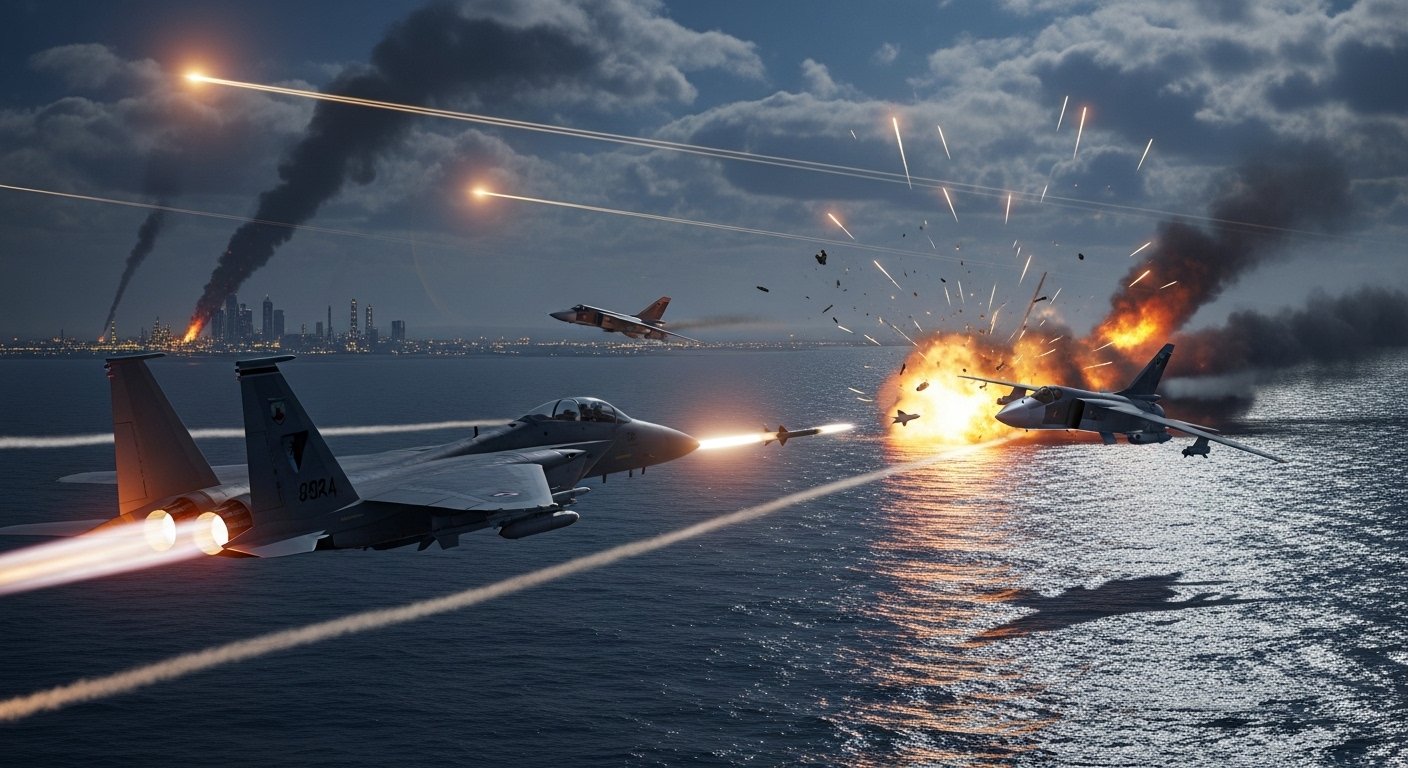
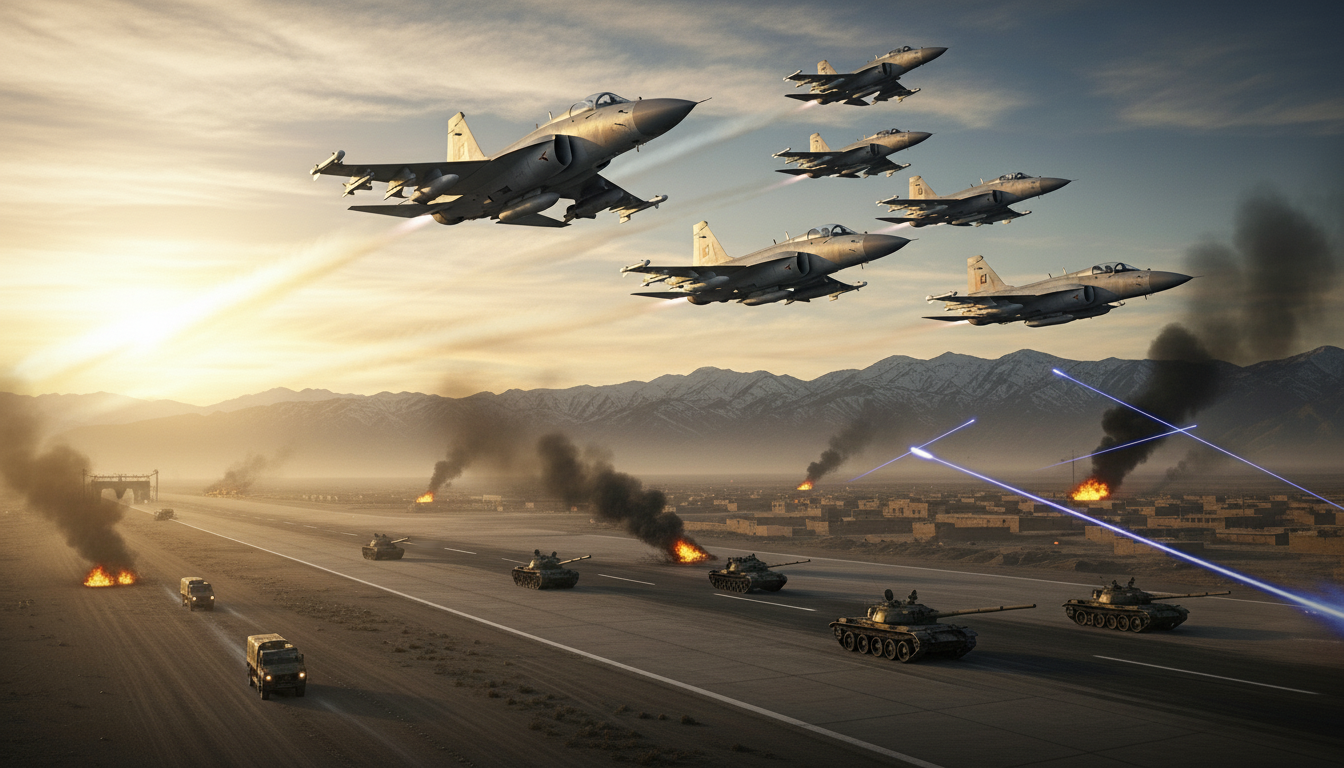
Pakistan Afghanistan border conflict escalated dramatically in March 2026 as Pakistani JF‑17 Thunder jets struck Bagram Air Base, one of the largest former US military hubs in Afghanistan. Six days of cross‑border fire across the 2,600‑km Durand Line have killed 42 civilians, wounded 104, and displaced 16,400 households. The UN describes it as a humanitarian emergency occurring in the shadow of the Gulf war, Iran’s missile strikes, and Israeli ground operations in Lebanon.
This is not a small border skirmish. It is a full‑spectrum military confrontation between a nuclear‑armed Pakistan and the Taliban‑ruled Afghanistan, driven by the Tehrik‑i‑Taliban Pakistan (TTP) threat, border‑legacy disputes, and fears over China‑Pakistan Economic Corridor (CPEC) security. For Pakistan, the war is happening at the worst possible time – Gulf oil shock, Gulf‑worker remittances under pressure, and IMF‑backed austerity – yet Islamabad has decided that the cost of doing nothing is even higher.
What Sparked the Pakistan–Afghanistan Border Conflict?
The immediate trigger for the Pakistan Afghanistan border conflict is a long‑simmering dispute: whether the Taliban government in Afghanistan is giving safe haven to the Tehrik‑i‑Taliban Pakistan (TTP) – the militant group responsible for some of Pakistan’s deadliest attacks.
Pakistan’s security establishment says that after earlier military operations like Operation Zarb‑e‑Azb (2014) pushed TTP out of North Waziristan, many of its fighters moved across the border into Afghan‑held tribal areas. From there, they have launched suicide attacks, bomb raids on checkpoints, and ambushes on Pakistani security forces in Khyber Pakhtunkhwa (KPK) and Balochistan.
The Taliban government in Kabul, however, denies any official support for TTP. It argues that Pakistan is using the “TTP threat” as an excuse to attack Afghan civilians and infrastructure. For the Taliban, admitting TTP presence would mean either hunting down a kindred‑ideology group or admitting it cannot control its own territory – both of which hurt its domestic image.
Pakistan’s Information Minister Attaullah Tarar publicly confirmed JF‑17 strikes on Bagram Air Base, saying it had become a storage and logistical hub for militants and Taliban fighters targeting Pakistan. That open admission of an attack on a former US‑run base is a major shift – earlier Pakistani strikes were often denied or kept quiet.
Why Bagram Matters: Past, Present, and Symbolism
Bagram Air Base is not just another military target – it is a symbol of power, fear, and foreign occupation. For 20 years, it was the US military’s main hub in Afghanistan – a base from which F‑16s, B‑52 bombers, drones, and special forces launched raids across the country. Its fall to the Taliban in 2021 became the global image of America’s withdrawal.
Now, when Pakistan’s JF‑17 jets bomb Bagram in 2026, the message is dual:
- To the Taliban: “You are not immune, even on your old enemy’s base.”
- To Pakistan’s public and the world: “We are serious about defending our borders, no matter the history of the target.”
Afghan sources claim Taliban anti‑aircraft guns drove Pakistani jets away, but analysts say JF‑17s are far more advanced than the Taliban’s limited air‑defence systems. The “drive‑away” story is more about saving face for the Taliban than reflecting real battlefield reality.
The Durand Line: The Border That Never Settled
The Pakistan Afghanistan border conflict sits on the Durand Line, a 2,600‑km frontier that Afghanistan has never formally accepted as an international border.
In 1893, the British drew the line between British India and the Afghan Emirate, splitting the Pashtun people across two countries. For Afghanistan, this is an unfair colonial division. For Pakistan, it is a recognized international boundary since 1947.
Because Afghanistan does not accept the Durand Line, border crossings, patrols, and claims of sovereignty are always tense. Local tribes often ignore the line; militants, smugglers, and civilians move freely. This is why a routine border clash can quickly escalate into a full‑scale military confrontation.
The TTP Threat: Why Pakistan Crossed the Line
The Tehrik‑i‑Taliban Pakistan (TTP) is the real engine behind the Pakistan Afghanistan border conflict. After being pushed out of Pakistan by earlier operations, TTP rebuilt in Afghan‑border regions – especially Khost, Paktika, and Nangarhar.
TTP attacks have become frequent again:
- Torkham border checkpoint bombings – targeting Pakistan’s main entry point
- Suicide attacks in Balochistan and KPK
- Ambushes on Pakistani army and police
- Threats to Chinese workers on CPEC projects
Pakistan’s military warns that without cross‑border pressure, TTP will grow stronger again. Officials now talk about a “Zarb‑e‑Azb 2.0” – a new, larger‑scale operation that may include air strikes into Afghanistan and pressure on the Taliban to surrender or dismantle TTP leadership.
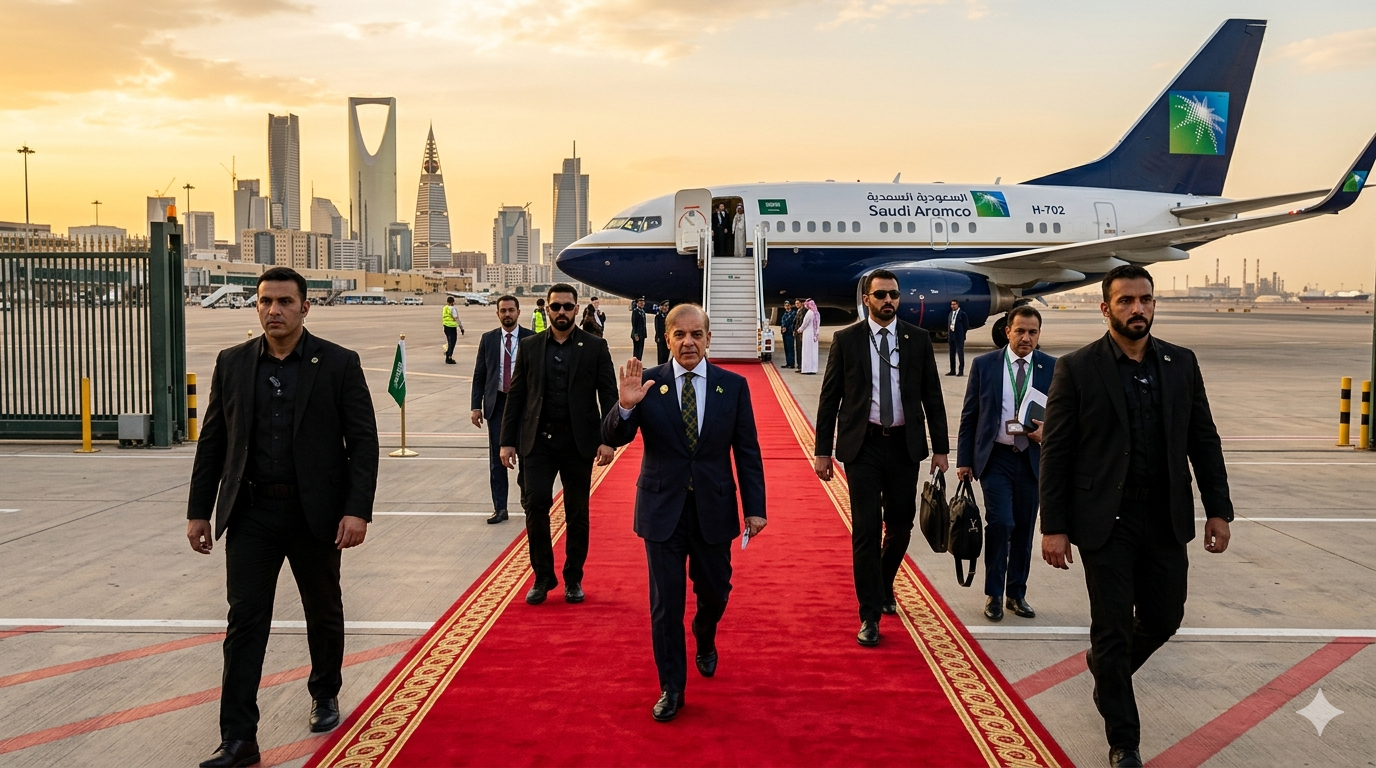
President Asif Ali Zardari addressed parliament and drew a “red line”: no neighboring country can use its land to attack Pakistan. If TTP continues to operate from Afghan territory, Pakistan will act. Zardari’s speech is both a security policy and a domestic political move – showing Pakistan’s public that the government and military are united against the threat.
5. The Human Cost: UNGA, Refugees, and Displacement
The UN reports 42 civilians killed, 104 injured, and 16,400 households displaced in just six days of fighting. That is a real‑life crisis – families packed into cars, children separated from parents, and entire villages fleeing toward cities like Kandahar, Helmand, Peshawar, and Quetta.
Afghanistan was already in crisis before this war:
- October 2025 earthquakes killed over 1,400 people
- Food aid routes were fragile
- Winter conditions make displacement even more dangerous
Now, border crossings like Torkham and Chaman are closed, choking off food, medicine, and fuel into Afghanistan. Pakistan, already home to around 3 million Afghan refugees, must now face new waves of displacement – especially to Peshawar and Quetta – when its economy is already under pressure from Gulf oil crisis and remittance disruptions.
Pakistan’s government disputes some UN numbers, saying TTP fighters often wear civilian clothes and militants mix with civilians. Still, any war in populated areas creates civilian suffering – and that’s exactly what’s happening now.
6. China’s CPEC Interest and Security Dilemma
China’s reaction to the Pakistan Afghanistan border conflict is shaped by one big number: $62 billion -the investment in the China‑Pakistan Economic Corridor (CPEC).
CPEC routes run through Balochistan and KPK, right along the contested border. Chinese workers, roads, and power plants depend on stability in these regions. In the past, TTP and Baloch groups have attacked Chinese workers and CPEC sites.
China now faces a hard choice:
- Tell the Taliban to stop TTP from using Afghan soil to attack Pakistan
- Or avoid direct pressure on Kabul so as not to look like endorsing Pakistani military strikes on Afghanistan
In practice, Beijing is quietly pushing for a diplomatic solution while keeping public statements neutral. This is classic China strategy: support its interests privately, avoid taking sides publicly.
Refugees, Trade, and the Economy
The border conflict is not just about militaries and missiles – it’s about people, jobs, and money.
- Peshawar and Quetta are the main cities absorbing refugees from the border.
- Many Afghan families depend on Pakistani‑imported goods – food, fuel, and household items.
- Torkham and Chaman crossings, now sealed, used to handle 30% of Afghanistan’s imports from Pakistan.
When the border closes, Afghan markets empty and prices rise. Families flee to Pakistan seeking safety – but this pressures already‑overcrowded cities and stretched budgets. Pakistan’s economy, already hit by Gulf oil shock, IMF conditions, and remittance losses, now has to cope with a new war‑driven refugee wave.
Pakistan’s Military Strategy: Phases of Escalation
Pakistan’s security establishment says it has a three‑phase plan for the Pakistan Afghanistan border conflict:
- Phase 1: Strike militant camps
- Already done: JF‑17s hit Bagram and other TTP‑linked sites.
- Publicly confirmed to show seriousness.
- Phase 2: Target Taliban assets that help TTP
- This means bombing Taliban command posts, logistics, and supply lines connected to TTP.
- Risk of wider Afghan anger and possible retaliatory raids.
- Phase 3: Target senior Taliban leaders (if needed)
- This is the reddest line – killing senior Taliban commanders.
- Pakistan knows it would provoke major backlash, but the military is not ruling it out publicly.
Right now, Pakistan is in Phase 1, with some moves into Phase 2, as JF‑17s strike Bagram and nearby Nangarhar and Jalalabad areas. The Taliban can’t match Pakistan’s airpower – they rely on guerrilla attacks, border‑post raids, and propaganda.
Regional and Global Powers: Who’s Watching?
The world is busy with the Gulf war, Iran, and Lebanon – but three powers are closely watching the Pakistan Afghanistan border conflict:
- United States
- Spent 20 years trying to stabilize Afghanistan.
- Is now sympathetic to Pakistan’s TTP concerns but worries that Pakistani strikes could further destabilize the region.
- Unable to openly support Pakistan due to post‑2021 withdrawal image.
- India
- Hates Pakistan but also fears TTP and regional instability.
- Some analysts say India may share intelligence with Pakistan about TTP, even if it never admits it publicly.
- India wants Pakistan to fight militants – as long as it doesn’t strengthen Pakistan’s main army.
- Iran
- Has borders with both Pakistan and Afghanistan.
- Worries about Baloch militants using border zones.
- Has historically had limited coordination with Pakistan on security – but this is stressed by the current Gulf war.
Three Possible Endings of the Conflict
Analysts see three main paths for how the Pakistan Afghanistan border conflict could end:
- Taliban surrenders TTP
- Pakistan’s ideal scenario.
- Taliban hunts TTP leaders and hands them over.
- But this is politically and ideologically hard for the Taliban.
- Limited war that drags on
- Pakistan keeps air‑striking and border‑firing.
- Taliban keeps guerrilla‑attacking.
- Civilians suffer, refugees grow, but neither side wins.
- Full invasion or escalation
- Pakistan sends ground troops into Afghanistan.
- Risk of regional war, ISIS‑K expansion, and CPEC danger.
- China and the world would push hard to stop this.
Why This War Is Happening Now
The Pakistan Afghanistan border conflict didn’t start in a vacuum. It’s happening at a time of global crisis:
- Gulf war closes oil routes, drives up fuel prices
- Middle East conflict keeps global attention away from South Asia
- Pakistan’s economy is under pressure (IMF, oil prices, remittances, CPEC costs)
- TTP is rebuilding in Afghanistan after 2021
Pakistan’s military has decided: “We can’t let TTP grow again.” The cost of inaction – more attacks, more dead, more economic chaos – is seen as worse than the cost of war.
The Bigger Picture: Who Really Wins or Loses?
- Pakistan risks more deaths, more refugees, more economic strain, but gains short‑term security and show of strength.
- Afghanistan loses civilians, infrastructure, and trade – right when it’s recovering from earthquakes and conflict.
- China worries about CPEC and security of its workers.
- TTP either gets crushed or goes deeper underground.
- Baloch militants may use the chaos to grow.
- Refugee families – both Afghan and Pakistani – lose the most.
Conclusion: A War the World Ignores
The Pakistan Afghanistan border conflict is happening while the world watches Gulf oil, Iran, and Israel–Lebanon. But 42 dead civilians, 16,400 displaced households, JF‑17 jets striking Bagram, and President Zardari’s “red line” are all signs of a real war – one that could spread, produce more refugees, and damage CPEC, regional trade, and Pakistan’s economy.
Pakistan believes the cost of doing nothing is higher than the cost of acting. Afghanistan believes it is being targeted for political and economic reasons. The truth is somewhere in between – and millions of ordinary people are stuck in the middle.