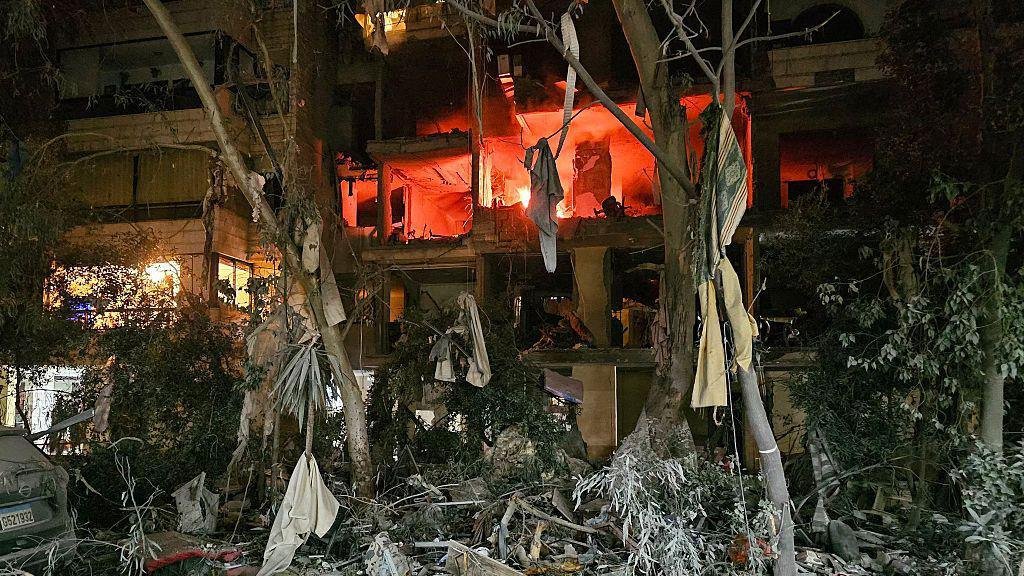
Drone strikes target U.S. diplomatic missions in the Middle East as the war expands into its most dangerous phase yet. Israeli tanks have crossed into southern Lebanon, Gulf oil flows through the Strait of Hormuz have dropped to zero, and Iran is burning through its missile stockpile at an unsustainable rate. The conflict is no longer just a series of bombings or drone raids – it has become a multi‑front regional war that will reshape energy markets, military alliances, and everyday life in countries from Pakistan to the United States.
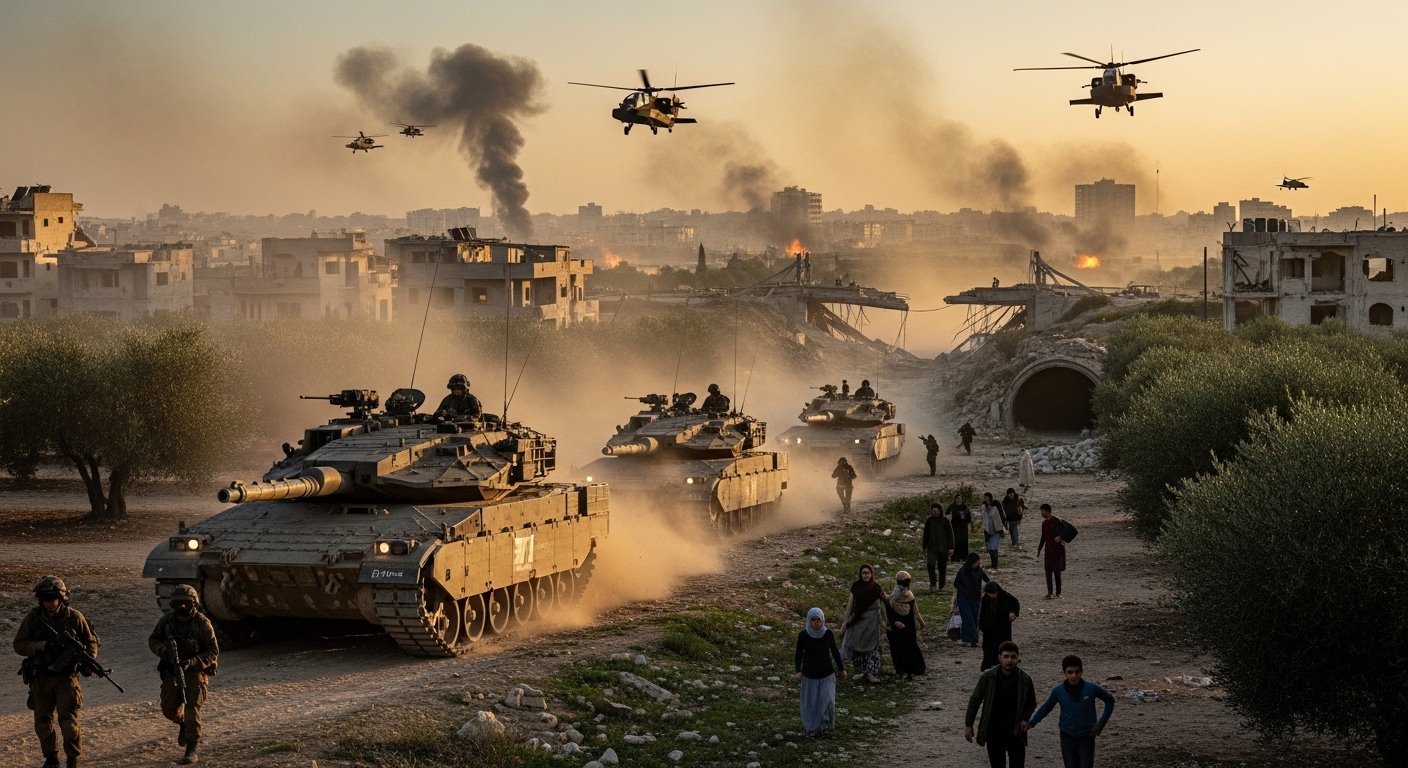
The Lebanon Ground Invasion Begins
Israel’s decision to launch a ground invasion into southern Lebanon changes the entire logic of the war. Jets and missiles can hit launch sites, but only boots on the ground can dig out Hezbollah’s tunnels, bunkers, and rocket depots built deep in the hills near the Litani River. The Israeli Defense Forces (IDF) are now operating under “hold and advance” orders – not a quick raid, but the start of a sustained campaign.
Southern Lebanon’s villages, Tyre and Nabatieh, sit in the path of the advance. Fighting in these urban centres, where Hezbollah mixes military positions with civilian life, will almost certainly bring high casualties and grim images that shape global public opinion and pressure Israel’s allies.
Lebanon’s Government Bans Hezbollah: A Historic Split
In a move that seemed impossible just weeks ago, Lebanon’s government has formally banned Hezbollah’s military operations and ordered police to hunt its rocket‑launching cells in Beirut suburbs. Hezbollah has long functioned as Lebanon’s unofficial army, powerful enough to shape politics, but now the state is trying to draw a line.
The real test is whether the Lebanese army can actually challenge Hezbollah – if not, the ban may look like a political gesture more than a real enforcement. Still, the move changes the diplomatic math: Israel now has a Lebanese government that officially opposes Hezbollah’s attacks, which may soften international criticism of Israeli operations.
Around 29,000 civilians have already fled southern Lebanon, packing cars and heading north. If the ground war drags on, that could become a long‑term humanitarian crisis, like those seen in 1982 and 2006.
Iran Under Pressure: Missiles, Strikes, and Leadership Loss
Iran is now absorbing precision strikes on its IRGC command bunkers, with top commanders and key planners reported killed. Missile stockpiles that once numbered around 8,000 are down to roughly 3,000, and the country is firing about 100 missiles per day across all fronts. At that rate, the remaining stock could last only about 30 days of sustained fighting.
Iran’s Supreme Leader has died, and the chain of command now sits in the hands of hardline IRGC figures without their usual religious‑legitimacy buffer. Without that moderating voice, the risk of reckless escalation goes up. The only thing that has slowed Iran so far is the fact that its weapons are running out quicker than they can be replaced.
The Gulf Joins the War: Qatar, Saudi Arabia, UAE in Action
The Gulf has moved from passive victim to active battlefield. Qatar shot down Iranian Su‑24 jets, Saudi Arabia scrambled F‑15s, and the UAE activated THAAD missile batteries — all in response to Iranian attacks on Gulf infrastructure. The Strait of Hormuz is now effectively closed, with zero oil moving through the world’s most important energy chokepoint.
This is a qualitative shift, not just a price spike. Historically, analysts expected partial disruption of the Strait; now, no oil is flowing at all. The result could be oil prices approaching $200 per barrel, with everything from airplane fuel to plastic prices feeling the shock.
The Munitions War: Drones vs. Patriot Missiles
A key part of the conflict is what analysts now call the “munitions war” – the mismatch between the cost of attacks and the cost of defence.
Iran’s Shahed‑136 drones cost about $20,000 each. The American Patriot PAC‑3 missile needed to bring one down costs over $2 million – a 100‑to‑1 cost ratio. Iran’s ballistic missiles are similarly cheap compared to SM‑6 and THAAD interceptors, which cost several million dollars apiece.
President Trump’s strategy is built on attrition: if Iran keeps burning missiles faster than it can rebuild, and Gulf oil stays at a trickle, Iran’s economy and military will crack before the US runs out of money. The only thing that could save Iran is continued Chinese supply of drone components – and even that help has limits under US sanctions.
Pakistan’s Multi‑Dimensional Crisis
Pakistan is getting hit from three sides at once:
- Oil prices rising toward $200 per barrel would push petrol prices inside Pakistan to Rs400 per litre or more, hitting agriculture, transport, and power generation all at once.
- Around 10 million Pakistani workers in the Gulf face job loss, danger, and uncertain remittances. That $30 billion annual cash flow is the backbone of Pakistan’s foreign‑exchange reserves.
- Qatar supplies about 15% of Pakistan’s gas, and Qatar’s LNG terminals are now shut down, leaving factories and power plants without fuel.
- On the Iran–Pakistan border, Baloch insurgent groups may exploit the chaos, creating new security headaches for Islamabad.
For many Pakistani families, the war is not “over there”; it is fuel, power, jobs, and remittances under pressure at the same time.
The Human Cost: Civilians, Children, and Evacuations
Behind the war maps and oil charts, real people are losing homes, jobs, and even children:
- In Lebanon, 29,000 civilians have fled the south, re‑living familiar patterns of displacement.
- A missile strike on a school in Iran killed over 150 children, one of the war’s worst single‑day civilian tragedies.
- In Kuwait, six American service members were killed in a base attack, turning the war from a distant headline into personal grief for their families.
- Gulf‑based Pakistani workers are now deciding whether to stay and risk danger or return to Pakistan and face unemployment.
The war is not just about military strategy; it is about who can afford to eat, travel, or heat their homes when the bill comes due.
Three Scenarios for How the War Ends
Analysts now talk about three main paths the war could take:
- Iranian collapse
- Missile stocks run low, oil exports stay at 10% levels, and economic pressure fractures the regime from within.
- Internal divisions could force a new government or a major shift in Tehran’s policy.
- This is the outcome Trump’s strategy bets on.
- Iran crosses the nuclear line
- If Iran’s leaders believe conventional defeat is coming, they may choose to build a nuclear weapon to deter the US and Israel.
- Reports say Iran has enriched uranium to 90%, putting it within weeks of weapons‑grade material.
- If Iran tests or deploys even one nuclear device, the war could spiral into a broader crisis.
- American political fatigue
- If oil prices stay near $200, and Congress starts cutting munitions budgets, the US may settle for a partial deal instead of a full victory.
- The war would end not with a clean victory, but with a compromise that leaves Iran weakened but still intact.
What Happens in the Next Week?
The next 7–10 days will help decide which scenario is most likely:
- The pace of Israel’s advance in Lebanon – if it’s fast and low‑cost, it strengthens the “Lebanon‑first” strategy; if it’s slow and bloody, pressure will rise.
- Whether Iran’s missile and drone production can keep up with losses, or whether Chinese‑supplied parts slow down.
- Global oil prices – if they spike toward $200, the American political system will feel the heat quickly.
- The position of Gulf states, Pakistan, and Europe – are they ready to stay in the war, or will they push for a quick ceasefire?
Everything depends on who runs out of money, fuel, or political will first – not just who wins the next battle.
1Why This Is Not Just Another Middle East War
What makes this war different:
- Three major battlefields at once: Iran, the Gulf, and Lebanon.
- The Strait of Hormuz fully closed, not just disrupted.
- A Lebanese government turning against Hezbollah, its own unofficial army.
- Gulf states now actively fighting back, not just absorbing damage.
- Drone‑and‑missile economics that favour the attacker’s budget, not the defender’s.
This is not a short, contained crisis. It is a multi‑front war that will reshape energy markets, regional alliances, and global politics for years to come. For Pakistan, Iran, Lebanon, the US, and Israel, the war is already changing lives faster than anyone expected.
Conclusion
Drone strikes target U.S. diplomatic missions not because this is a small‑scale skirmish, but because the war has grown into a full‑fledged regional conflict. Tanks rolling into southern Lebanon, the Strait of Hormuz at zero, Iran’s missiles running low, and Gulf‑hosted Pakistani workers facing evacuation all show the same reality: this war is not confined to one country or one front.
The outcome will depend on three things:
- whether Iran’s weapons and money run out,
- whether American public opinion can tolerate the cost,
- and whether diplomacy can find a way out before the world is forced into an even more dangerous scenario.
For ordinary people in Pakistan, Lebanon, Iran, the Gulf, and the US, the war is already reshaping fuel prices, remittances, jobs, and safety. The question is no longer “Is this war serious?” – it is “How long can the world afford to keep it going?”